BRCA Newsletter: July 2026
July 2026
Hello teman? Warm hospitality greetings from BRCA!
Bali in July: Dry Season Magic & What’s Ahead
Second semester, first breath of dry season magic. Bali in July means clear skies by day, cool air by night, and an island humming with holiday spirit.
May your business move to the same beat.
Happy reading. May the island’s weather keep you as good company as we hope this newsletter does.
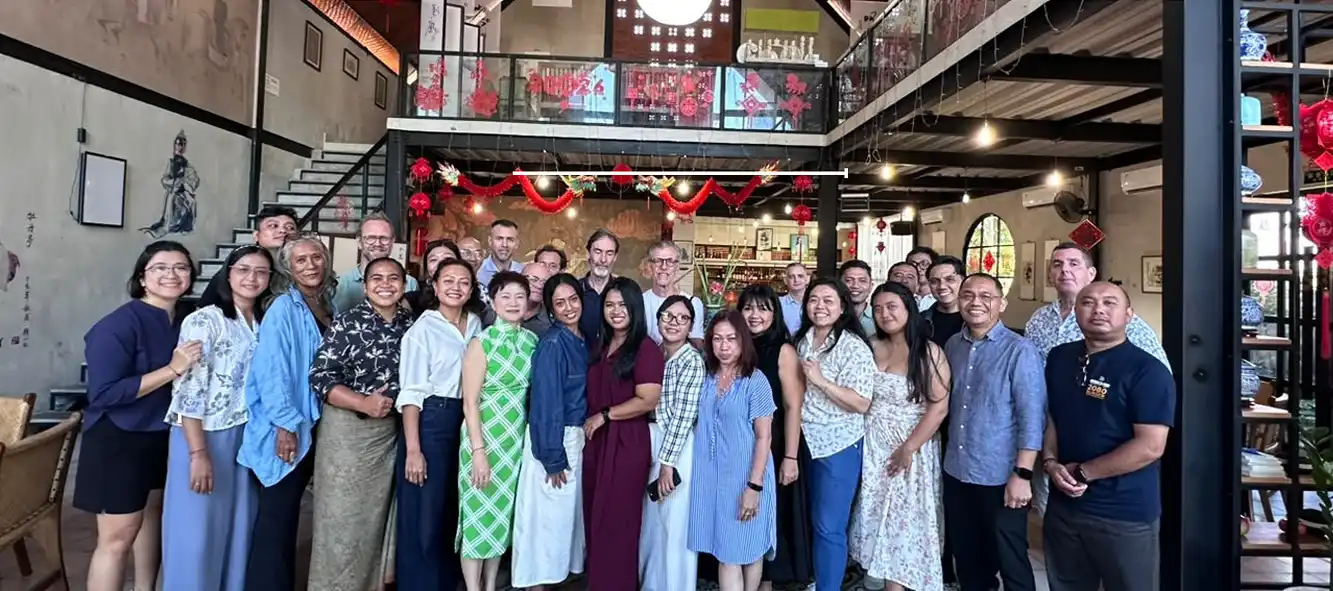
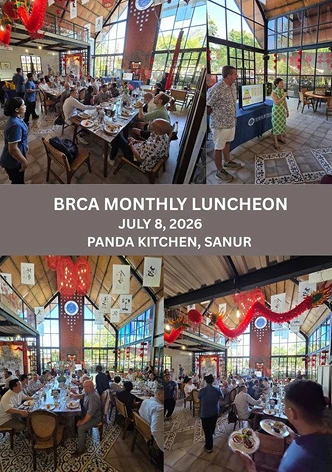
This month, we continued our monthly luncheon tradition, bringing together the F&B community in Bali to connect and network, this time hosted at Panda Kitchen.
We also once again backed Nuanu FutureTalks Gastronomy Leaders 2.0 as a supporting partner.
This major hospitality conference in Bali brings together leaders to discuss building resilient restaurant businesses while respecting the island’s heritage and shaping the next chapter of Bali’s restaurant industry.
Overall, an interesting and impactful month for the community.
MONTHLY LUNCHEON UPDATE
8 July 2026
BRCA Luncheon at Panda Kitchen
BRCA Monthly Luncheon: Sanur Edition
Familiar Faces, New Friends
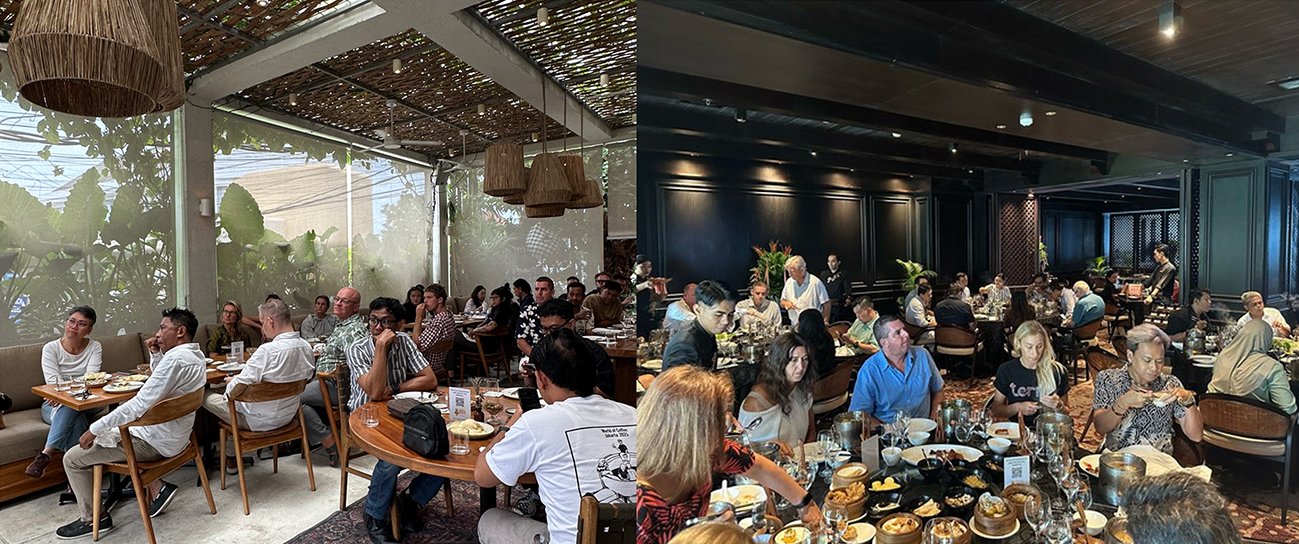
At BRCA, we love keeping our monthly lunches interesting by hosting them at different spots around Bali. After Ubud last month, this time we headed to the heart of Sanur for a gathering at Panda Kitchen, where owner Mona Zeng brings authentic Chinese Sichuan cuisine to the island with real passion.
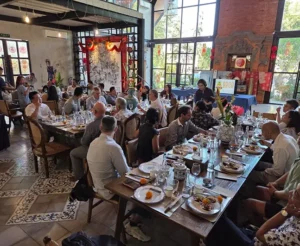
The ground floor was packed that day, tables full from end to end. It was a warm afternoon filled with familiar faces and new ones, too, from restaurants, businesses, and F&B media across Bali.
BRCA co-founder Dean Keddell welcomed everyone warmly, alongside a few kind words from Mona herself, before the speakers took over with some genuinely interesting topics.
A Taste of Sichuan in Sanur
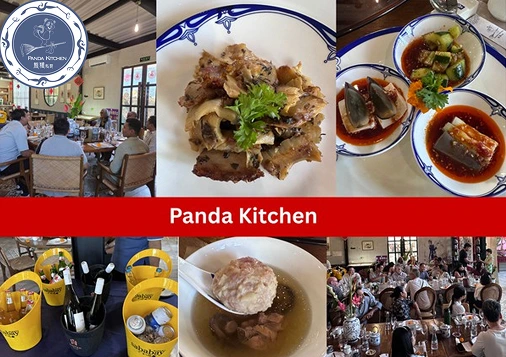
Mona and her team really went all out for this one. We started with a spread of appetizers: pitan tofu, spicy cucumber salad, eggplant salad and golden crispy nest shrimp, the kind that gets conversations going before the first bite even lands.
After the first speaker wrapped up, the mains rolled in: lion head soup, fried bamboo meicai with roasted pork, and Sichuan spicy poached beef with rice. Bold, comforting, and properly authentic Sichuan flavors right in the middle of Bali. Dessert closed things out with crispy pumpkin balloon puff and mango sago with ice cream.
A spicy, soulful afternoon with good people. Thank you Mona and team for the hospitality, this one’s going to be remembered.
The Venue
Panda Kitchen, Sanur
By Mona Zeng
Tucked along Jl. Bypass Ngurah Rai in Sanur, Panda Kitchen serves up authentic Sichuan and Cantonese cooking, from handmade dumplings to a fiery Mala Xiang Guo.
Their Sunday Dim Sum buffet has become a firm favourite, and guests can even dress in traditional Hanfu while they dine, a small touch that makes the meal feel like a proper cultural outing rather than just lunch.
MONTHLY LUNCHEON SPEAKERS
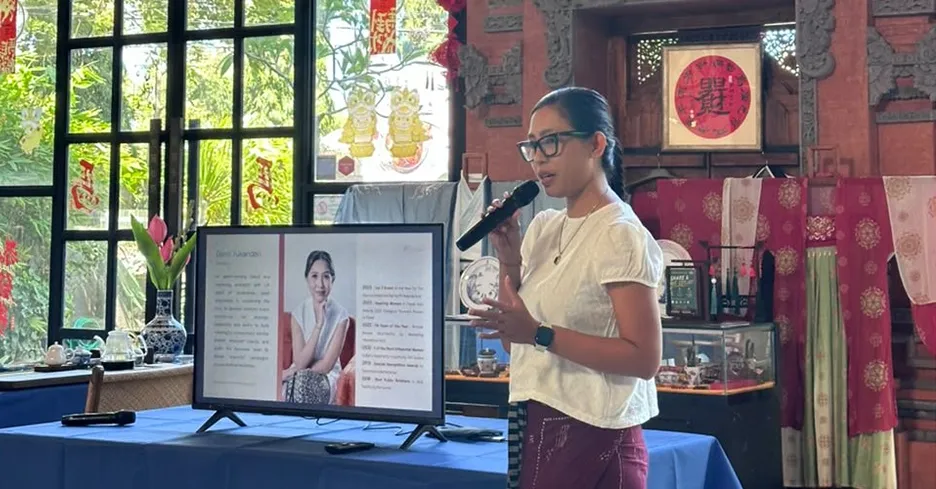
Speaker of the Day: Danti Yuliandari
Founder, Myneuver International
As Danti’s session put it: “In the age of AI, the best restaurant is not only found. It is remembered, trusted, and recommended.”
Danti Yuliandari of Myneuver International shared a session on Generative Engine Optimisation (GEO), and it’s worth paying attention to. Guests are increasingly asking AI tools like ChatGPT, Claude, and Gemini where to eat, what’s authentic, or what’s worth booking tonight. GEO is about making sure your restaurant shows up as the answer, not just another search result.
The good news is it comes down to fundamentals: keeping your story consistent across your website, menus, reviews, and social media, backing it up with concrete details (signature dishes, chef background, local sourcing, certifications), and staying fresh with updated hours, photos, and booking links. The Apurva Kempinski Bali is a solid local example, its sustainability journey and GSTC certification earned it recognition as a top sustainable hotel across multiple AI engines
About Danti Yuliandari
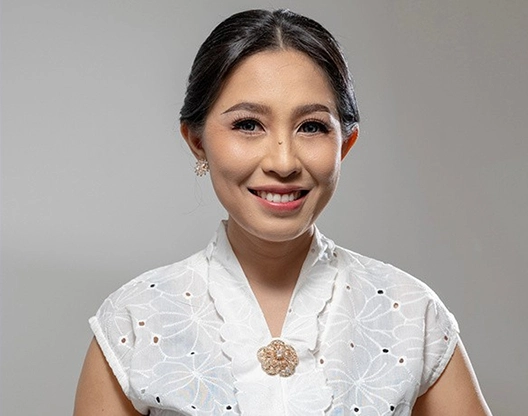
Danti Yuliandari is the Founder of Myneuver International, a brand and marketing strategist with over 15 years of experience specializing in visionary brand positioning.
Her strategic leadership has helped elevate brands across the hospitality industry, earning recognition, including Top 3 Brand of the Year for The Apurva Kempinski Bali (PR Awards Asia, 2023), Inspiring Women in Travel Asia’s Forward Thinker in Travel award (2023), and a spot among the 7 Most Influential Women in Bali’s Hospitality Industry (360 Guides, 2022).
MONTHLY LUNCHEON SPEAKERS
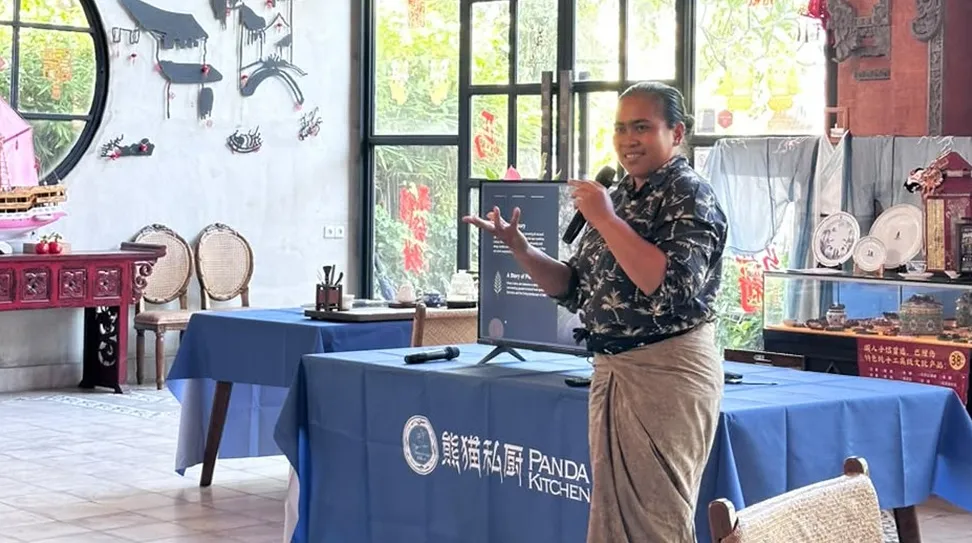
Speaker of the Day: Made Masak,
Nomadic Cook & Forager, Food, Culture & Nature Educator
“As Made Masak put it, we don’t need to invent a new cuisine; we just need to remember the one we’ve forgotten”.
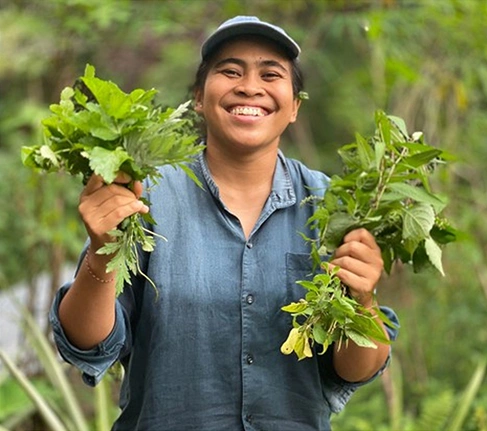
Made Masak, nomadic cook and forager, took us on a journey through “The Forgotten Pantry,” a look at the wild greens, roots, and herbs that once fed every Balinese village before modern supply chains took over.
Think keladi (taro), daun katuk, sambung nyawa, pegagan, beluntas, pakis, and kecombrang (torch ginger), ingredients once dismissed as weeds that are actually vegetables, medicine, and ceremony rolled into one.
The bigger point is that using these ingredients isn’t just about flavor. It supports local farmers and foragers, cuts food miles, and keeps generations of culinary knowledge alive.
Done responsibly (harvesting only abundant species, respecting seasons, learning from local communities), foraging can become a real point of difference for restaurants looking to build a menu genuinely tied to place.
About Made Masak
Dewa Ayu Made, known as Made Masak, is a Balinese nomadic chef with a deep passion for food forests, working to reconnect people with their food sources and with nature. She believes that as humans, we’re part of nature, even though we often forget it. Her focus has been sharing lessons from her greatest teacher, nature itself, and encouraging others to live in harmony with the earth, a path that led her to become a nomadic chef and forager. Recently, she collaborated with Dome at Potato Head, leading a talk on foraging and ancestral food forests, hosting a foraging dinner, and training the team on local plants. She also guided a food forest tour with Trippin and is currently developing a community kitchen in Tabanan, a project still in progress.
EVENTS & HAPPENINGS
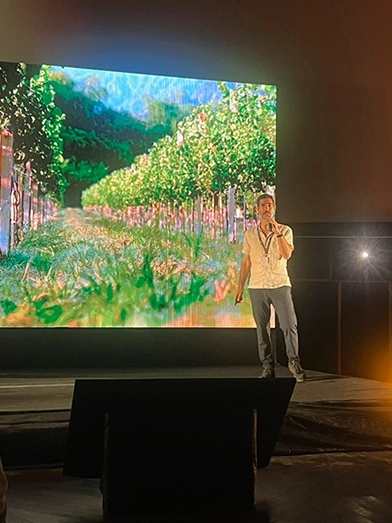
28 MAY 2026, 15:00–17:30
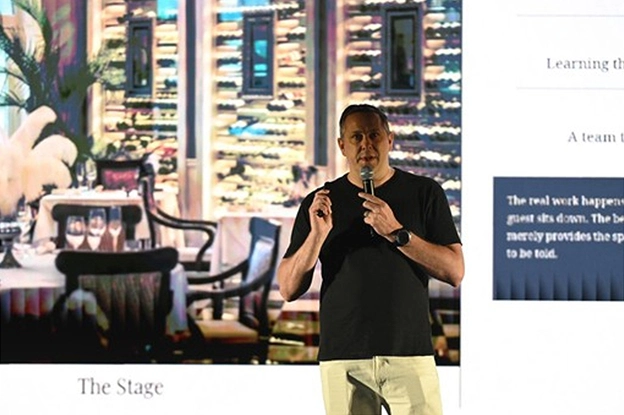
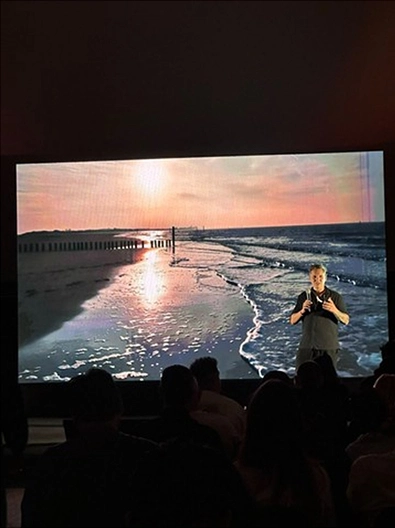
NUANU FUTURE TALKS: GASTRONOMY LEADERS 2.0
A Day for the People Shaping How Bali Eats
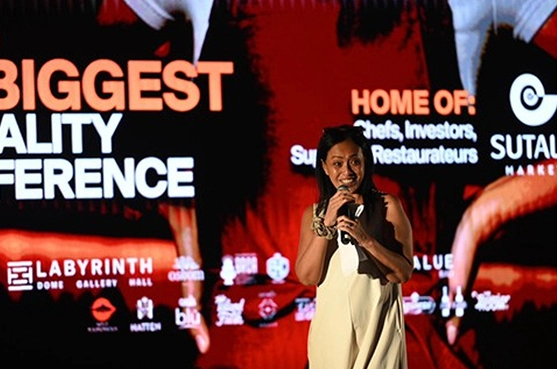
One stage, a full day, and the people actually shaping how Bali eats. The Future of Restaurants in Bali brought together Michelin and fine-dining chefs, Indonesian culinary voices, restaurant group founders and operators, and some of the region’s best food journalists and critics, for personal stories, real playbooks, and honest panels. Not the polished version. The real one.
It was also just a good excuse for Bali’s F&B crowd to catch up: old friends, familiar chefs, and plenty of new faces too.
BRCA was happy to support this event, running a booth, introducing our association on stage, and having members join the panel to share their own stories. A lot of our community showed up too.
It’s the kind of conference-style event Bali’s F&B scene needs more of: honest conversations, real insight, none of the usual polish.
See you at the next one!
EVENTS & HAPPENINGS
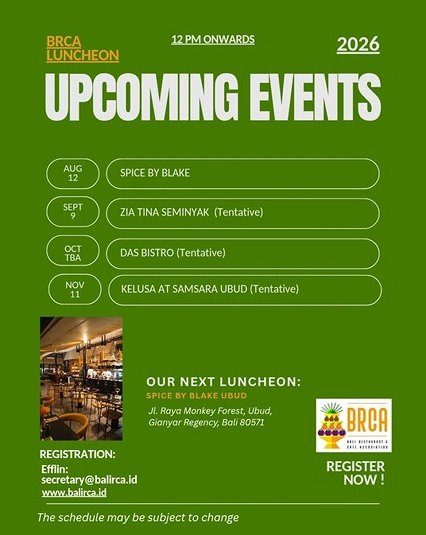
BRCA LUNCHEON at
Spice By Blake
You’re invited to the next BRCA Luncheon:
12 August 2026, 12 PM Onward at Spice by Blake
Jl. Raya Monkey Forest, Ubud, Kabupaten Gianyar, Bali
Speakers:
Peggy Putri, Paradigm, Co-Founder
Topic: Why Your Restaurant Keeps Losing Good People
Dimas Arka, Wedoo X Sayang, Product Designer
Topic: Designing Circular Experiences: Enriching the Guest Journey Through Circular Design
Thank You to Our Sponsors & Partners



Building Together, Growing Together
None of what we do happens alone. Every event, every lunch, every conversation that brings this community together only happens because of the sponsors and partners who chose to stand with us.
We know there were other places you could have put that support. You chose Bali’s F&B community instead, and that means something.
Thank you for believing in what we’re building here. It’s more than we can really put into words, but we hope you feel it in everything we do together.
OUR SPONSORS
BRCA SUSTAINABILITY CORNER
Why Certifications Start to Matters More
Sustainability Certification for Hospitality and F&B Businesses
A green certificate used to be something for the lobby wall. A few photos, a press release, back to business as usual. That’s shifting. Guests are asking more questions, and corporate clients booking events want proof, not just a mention of “sustainability” on the website. And properties that take it seriously tend to run tighter operations too, less waste, lower bills, fewer surprises. Two Bali properties are examples that went through the process the right way, not for a headline, but as a continuation of work already underway.
Green Globe – Movenpick Resort and
Spa Jimbaran
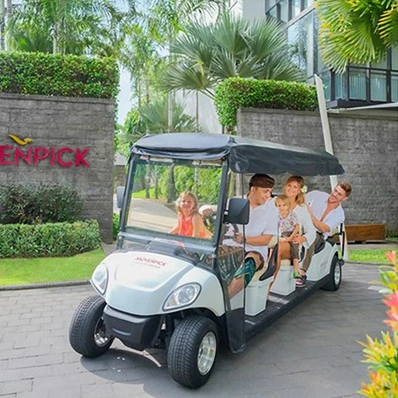
Mövenpick Resort & Spa Jimbaran Bali has earned Green Globe certification, one of the world’s leading marks for sustainable tourism. The foundation is solid: no single-use plastics, strong recycling practices, solar power, and water systems that keep improving year on year. Even meetings get the green treatment, with paperless practices and refillable water through the resort’s Green Meeting Package. Culture is part of the everyday here too, from daily Rindik performances in the lobby to Barong dance shows that support local artists.
Community efforts run deep: Jimbaran beach cleanups, a stingless bee house for local pollinators, free eye exams through the Vision for All program, and a Breakfast for Breakfast initiative where every guest meal helps feed a child in need. Add electric buggies and an EV charging station, and even getting around is a little greener.
As General Manager Jan Kroeckel put it: “Our goal has always been to provide stays that feel warm, memorable, and sincere. Achieving Green Globe certification is a meaningful milestone that reflects our commitment to the island, its culture, and its future.”
As General Manager Jan Kroeckel put it: “Our goal has always been to provide stays that feel warm, memorable, and sincere. Achieving Green Globe certification is a meaningful milestone that reflects our commitment to the island, its culture, and its future.”
Global Sustainable Tourism Council
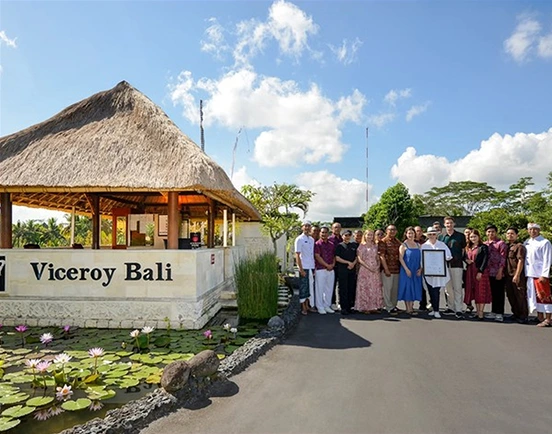
(GSTC) – Viceroy Bali
Viceroy Bali has just become one of the first properties in Ubud to earn certification from the Global Sustainable Tourism Council, the benchmark that looks at everything from environmental care to how a business treats the community around it.
A lot of this was already happening quietly behind the scenes. Water goes through an eighteen-step treatment process before it’s returned to the river, making a real difference for villages downstream. There’s no single-use plastic in the villas either, just refillable ceramic carriers and thermal bottles guests can top up around the resort, part of a partnership with Terra Water Indonesia.
An organic garden feeds straight into the kitchen, and even trimmings don’t go to waste, ending up as garum, kombucha, pickles. Solar panels dot the property, and when it was built, the team worked around the existing trees and waterways, including the subak system running through the neighboring rice fields.
BRCA SUSTAINABILITY CORNER
The community side runs deep too. Used cooking oil gets recycled through a partnership with Noovoleum, with proceeds supporting an education program that’s reached over 2,000 students across eight local schools. More than a third of the team comes from the nearby village of Petulu.
General Manager Patrick Farrell put it simply: “Being the first in Ubud to obtain this certification reinforces our commitment to responsible luxury and inspires us to continue improving for the benefit of our guests, our team, and future generations.”
Eco Climate Badge
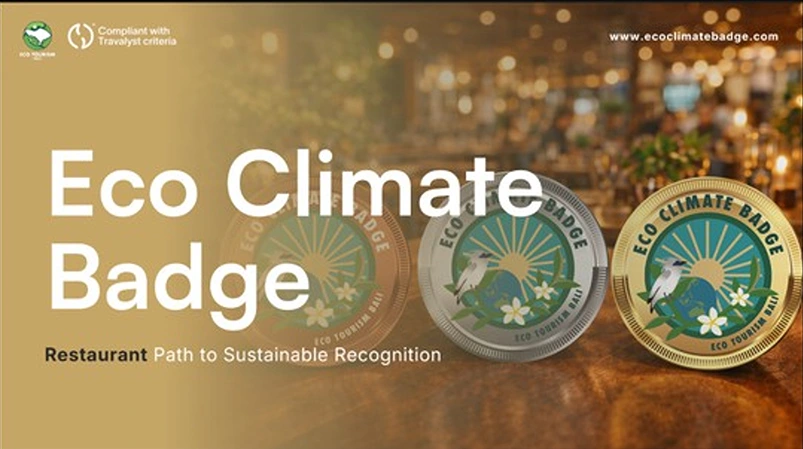
The Eco Climate Badge is a sustainability certification from Eco Tourism Bali, open to both hotels and F&B businesses, built around GSTC guidelines and the UN’s Sustainable Development Goals.
It looks at eight areas: water conservation, waste reduction, sustainable furnishing, sustainable food sourcing, energy use, reusables and ecofriendly disposables, chemical and pollution reduction, and social benefits for the local community. Properties are awarded Bronze, Silver, or Gold based on how they score.
The process itself is simple: 30 questions, 30 minutes, 30 days to get certified. Right now the numbers are pretty striking: only 6.2% of hotels globally are certified sustainable, and in Bali it’s under 1%, so getting verified puts a business in a genuinely small group.
For hospitality businesses, it’s a practical way to measure where you stand, show guests real proof of your sustainability efforts, and strengthen your brand at the same time.
THE F&B LOOP
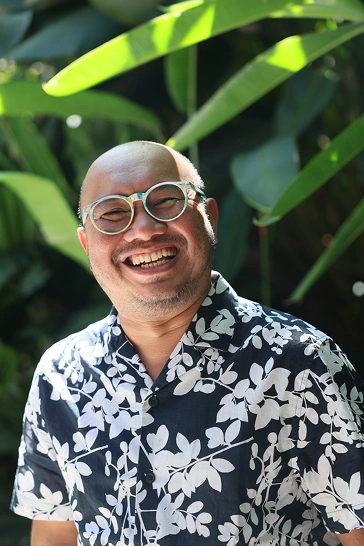
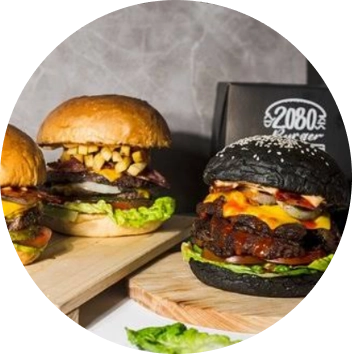
An Interview With 2080 Burger Owner :
Heru Dwi Soesilo
Behind the Counter with the Man Building 2080 Burger
Everyone who opens a restaurant in Bali finds out fast that the real challenges aren’t on the menu. Supply chains have more friction than you’d think. Rent depends entirely on where you land. Good staff are hard to keep. And the low season doesn’t care how well you planned.
Burger 2080 opened anyway. We sat down with the owner to talk about what it’s actually taken, the costs nobody warns you about, what’s worked for marketing, and what he’d tell anyone thinking about doing the same.
QUESTION 01
Origin Story: Why Burgers, and Where Did the Name 2080 Come From?
Honestly, the burger wasn’t the plan. The problem was when I arrived in Bali, I saw a huge gap between what tourists and young locals wanted and what was actually available. They wanted something casual, high-quality, and theirs, not just another imported chain. Burgers are a beautiful format. Humble but infinitely creative. You can tell your story through toppings, sauces, and the bread you choose. The name ‘2080’ came from asking ourselves: what will people want in 2080? What will Bali look like? We wanted something that feels forwardthinking, not stuck in nostalgia. Every decision we make, we ask: does this still work in 2080? It forces us to think longterm, not just chase today’s trend.
QUESTION 02
The Decision: What Made You Think a Burger Concept Could Work in Bali?
Two things gave me confidence. I watched the demographic shift. Bali isn’t just for tourists anymore. It’s young Balinese professionals, digital entrepreneurs, and expats who live here, and they’re willing to spend on quality. And I’d failed at other things before, so I was humble about what I didn’t know. The first month was terrifying. We learned fast that the supply chain was fragile, so we started with 15 suppliers and mapped alternatives for every ingredient within two months. We also had to shift from hiring people to do a job to hiring people and developing them. Training took longer, but turnover dropped once people saw we invested in them. The restaurants that fail here are usually the ones that treat Bali like a testing ground. We decided to belong to Bali, not extract from it. That changed every decision.
THE F&B LOOP
QUESTION 03
Team: How Do You Find and Keep Good
Staff?
Hospitality burns people out fast. The difference between a place that thrives and one that burns through staff is whether people feel they have a future there, not just a paycheck. We hire for attitude over experience. Anyone can learn to flip a burger, you can’t teach someone to care. We look for curiosity, humility, and whether they actually like people. To keep them, we make the growth path visible, from prep cook to kitchen manager to potentially running their own location. We’ve had people move from entry-level to managing a station in 18 months. We also involve the team in decisions about the menu and culture, so they feel like co-creators rather than just staff. Honestly, we still lose people. But we lose fewer, and the ones who stay become the culture carriers who help us find the next good person.
QUESTION 04
Costs: What Caught You Off Guard? How Do You Handle Price Volatility?
Labor and utilities. I’d budgeted for ingredient costs; that’s obvious. But Bali’s electricity is expensive, reliable power needs backup generators, and quality staff want fair wages. That all compounds. We built buffer margins into pricing so small ingredient fluctuations don’t force us to change the menu weekly. We also locked in supply contracts for our top ingredients, so we’re not chasing the cheapest option daily. Long-term, we’re investing in our own sourcing, working directly with local farmers to grow what we need. Riskier, but it builds relationships and gives us more control. When ingredient costs spike, we’re honest with the team. We show them the numbers and decide together what to do, whether that’s a small price increase or adjusting a menu item. They understand the why, so they become part of the solution.
QUESTION 05
Marketing: What’s Actually Working? What Flopped?
What’s worked is Instagram, but not how you’d think. Not endless hero shots; we post real moments- the team during lunch rush, messy ‘this is what it actually looks like’ content. It feels real and gets better engagement. Partnerships with local creators and community leaders have worked too, more than influencers. When someone respected in Bali’s community mentions you, that carries weight. And honestly, just consistency. Same location, same crew, for 7 years. People know we’re not a pop-up. What didn’t work was traditional ads. We tried Google and Facebook ads early on, poor ROI. We also felt pressure to run constant promotions and deals, so we stopped and focused on being consistently good instead. Fake urgency doesn’t work either; ‘limited time offer’ reads as gimmicky when you don’t actually have supply constraints. Build something worth talking about, then get out of the way. Your customer should want to tell people about you.
QUESTION 06
Sourcing: Where Do Your Ingredients Come From?
We’re obsessive about this because a burger is built on fundamentals: the bread, the beef, the produce. There’s nowhere to hide. Our beef comes from national importers who source quality cattle, it took months to build that relationship. Our bread is made in our own central kitchen, finding the right baker took time. Produce is a mix of local suppliers from Bedugul and Pasar Badung, plus some specialty items we import when something just doesn’t grow well here. We’d rather have fewer ingredients that are excellent than a massive menu of mediocre. And we’re committed to paying what things are worth, not what the cheapest person will accept. When suppliers know you’re reliable and pay fairly, they save their best product for you. It’s not altruism, it’s business. But it’s a business built on respect.
THE F&B LOOP
QUESTION 07
What’s Next? Where Do You See 2080 in a Few Years?
In 2-3 years, I want more outlets outside Bali and Jakarta, each one genuinely rooted in its own community, not copypaste locations. I also want a supply chain we’ve built ourselves, maybe our own bread business, and direct relationships with a few key farms. And a team that’s grown into leaders. That’s the real metric of success. Long term, I’m not chasing ‘Bali’s most famous burger chain.’ I want a restaurant people feel good about supporting because they know where the money goes and what it stands for. First visit? Order the 2080 Classic. Perfect beef, melted cheddar, a good bun, and our sauce. If that doesn’t win you over, we haven’t earned the right to sell you anything fancier.
QUESTION 08
Advice for Someone Starting F&B in Bali Right Now
Four things. Fall in love with the problem, not the concept. Too many people come to Bali with an idea, ‘I’ll do Italian, I’ll do vegan fast casual,’ instead of finding a gap that actually exists. Talk to 50 people, really listen, and solve something real. Hire for culture, not resume. Your team makes or breaks you, so invest in people who genuinely care, then develop them. Underpromise, overdeliver. Don’t make big claims about your food or your vibe, just be better than you say you’ll be. And understand your unit economics obsessively. Know what it costs to make every item, what your margins are, what your break-even is. Love and numbers need each other. Bali’s market can be brutally honest. You’ll have weeks where you question everything. But if you’re solving a real problem, you’ve built a team that cares, and you’re disciplined about the business side, you’ll make it. There’s real opportunity here for people who think long-term and play fair.
BALI TOURISM & HOSPITALITY
Bali Tourism Snapshot
June 2026
Bali’s tourism numbers held steady through June, with the economy growing 5.58% in Q1 and inflation staying low at 0.71% month to month.
Foreign arrivals came in at 630,040 for the month (temporary data from Ngurah Rai Immigration), bringing the January to June total to 3,428,321, also temporary since it carries June’s figure forward, just over half of the government’s full-year projection of 6,625,000. Domestic arrivals for the same period reached 4,861,007, roughly in line with last year’s pace though slightly behind the 2024 peak.
Hotel performance in May was a genuine bright spot. Occupancy for classified hotels hit 61.16%, actually ahead of May 2025’s 58.10%, and length of stay reached 3.04 days, the strongest of the year so far. That said, the broader January to May average sits at 56.75%, still below the fullyear 2025 average of 60.62%, showing the year started slower before picking up.
The demand forecast for the next six months (covering Seminyak, Kuta, Ubud, Sanur and the Southern Peninsula) shows a familiar seasonal pattern: strong through August, softening into a quiet September through November, then climbing again sharply into the December holidays.
Source: IHGMA Bali (Epicentrum Tourism Data, June 2026), based on data from Bali Provincial Tourism Office, Statistics Indonesia (BPS), Ngurah Rai Immigration, and Lighthouse.
Meanwhile, Colliers has released its Q2 Bali Hotels Report, highlighting insights about Bali’s hotel market. Bali’s hotel market is moving into a more selective, value-driven phase. Visitor arrivals are expected to keep improving through the second half of the year, but growth is uneven now, shaped by global uncertainty, pricier domestic travel and stiffer competition from places like Thailand and Vietnam. Luxury hotel investment keeps expanding regardless, a sign developers still believe in Bali longterm. The winners going forward won’t be the hotels chasing the most guests, but the ones offering something real: wellness, authentic experiences, personalised service.
Source: Colliers, Bali Hotel Quarterly Forecast Report, July 2026.
Meanwhile, Colliers has released its Q2 Bali Hotels Report, highlighting insights about Bali’s hotel market. Bali’s hotel market is moving into a more selective, value-driven phase. Visitor arrivals are expected to keep improving through the second half of the year, but growth is uneven now, shaped by global uncertainty, pricier domestic travel and stiffer competition from places like Thailand and Vietnam. Luxury hotel investment keeps expanding regardless, a sign developers still believe in Bali longterm. The winners going forward won’t be the hotels chasing the most guests, but the ones offering something real: wellness, authentic experiences, personalised service.
Source: Colliers, Bali Hotel Quarterly Forecast Report, July 2026.
Top 5 Foreign Visitors June 2026
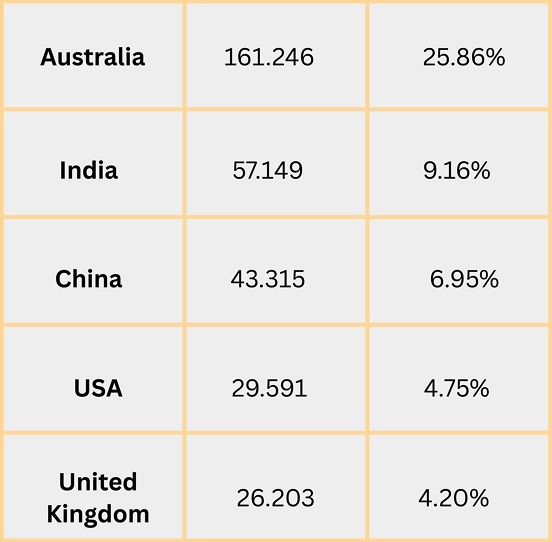
Source: Dinas Pariwisata Propinsi Bali from IHGMA Bali (Epicentrum Tourism Data, June 2026)
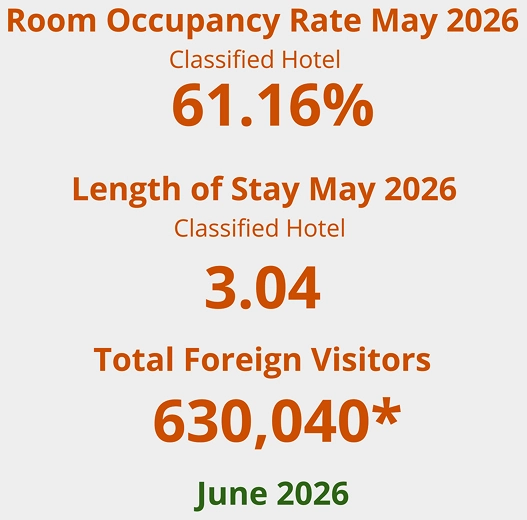
*Data June are temporary figures from Ngurah Rai Immigration
BALI TOURISM & HOSPITALITY
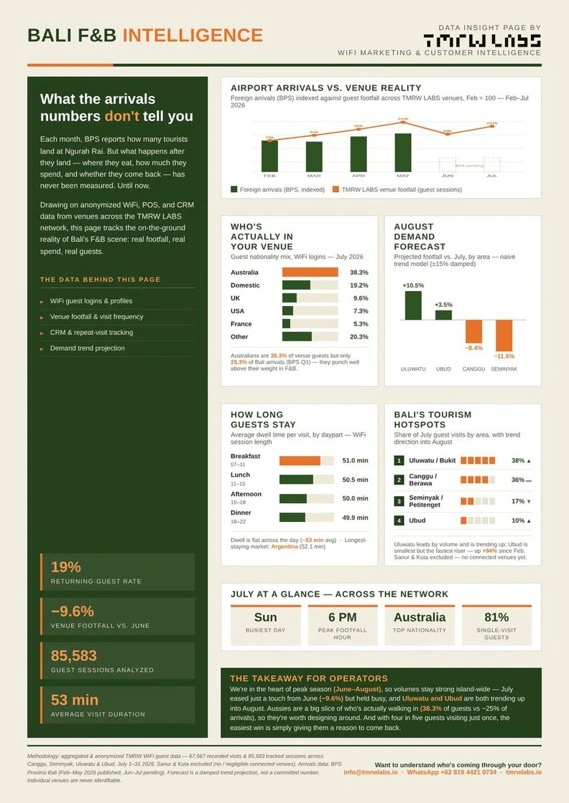
This month’s data insight page features TMRW Labs, whose network spans a select group of Bali’s more established and recognizable F&B venues, concentrated across Canggu (including Pererenan), Seminyak, Uluwatu, and Ubud. Because it relies on WiFi and CRM integrations, it naturally reflects venues equipped with that kind of infrastructure, generally more prominent, digitally savvy operations in these hotspot areas, rather than the island’s full range of restaurants and warungs across Bali. Still, it offers a real, ground-level look at guest behaviour at these venues, going beyond what BPS arrival numbers alone can tell us.
SIGNING UP INVITATIONS
SIGNING UP INVITATIONS TO OUR INDUSTRY COLLEAGUES
Built by People Who Care About This Industry
Behind every great meal, every memorable stay, every moment of real hospitality in Bali, there’s someone who genuinely cares about getting it right.
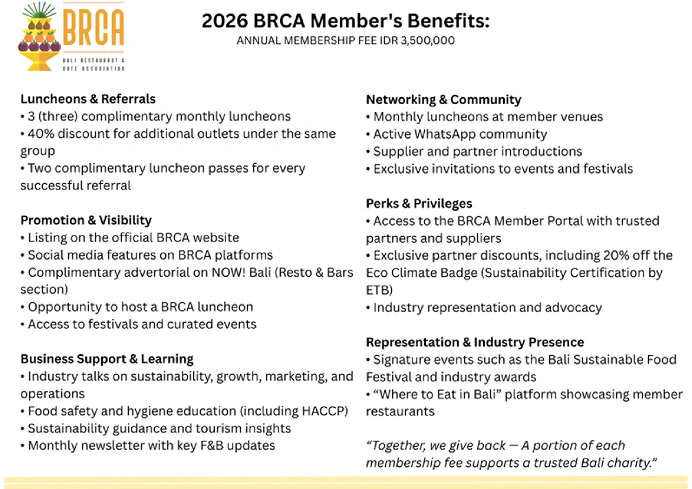
That’s who BRCA is for. A community built on collaboration, respect for local culture, and a shared love for what makes Bali’s food scene so special. Whether it’s sustainability or gastronomy, we’re here to back the industry and the people behind it. We also welcome sponsors and partners who believe in what we’re building for Bali’s hospitality and F&B community.
For membership and sponsorship opportunities, reach out to Naomi at manager@balirca.id

Closing BRCA & You!
“The global recognition we have achieved reinforces Indonesia’s standing as a worldclass culinary destination. This achievement is further strengthened by the inclusion of homegrown culinary pioneers like Locavore NXT in Bali in Asia’s 50 Best Restaurants. Strengthening our gastronomy sector increases our tourism competitiveness—deeply rooted in our culture, tradition, and local wisdom.” — Widiyanti Putri Wardhana, Indonesian Minister of Tourism (Address at the Bali & Beyond Travel Fair)
That’s the vision driving us too, and we believe more talent will emerge along the way. At BRCA, we’re working toward that same goal, positioning Bali as a world-class culinary destination while staying rooted in local culture and tradition. Our board brings decades of hospitality and F&B experience to that work. We’re opening a few more seats for industry professionals who want to help shape this. If that’s you, we’d love to hear from you.to strengthen Bali’s F&B ecosystem, don’t hesitate to get in touch with us to get involved.
Founders
Dean Keddell – Ginger Moon Restaurants & Author of Our Bali
Your Bali – Bali Kita Bali Kamu
Chris Salans – Mozaic
Anthony Syrowatka – Viceroy Hotel, Aperitif, Blossom + others & Gaia Digital Marketing Agency
Board
Weni Ariasty – Manager NOW! Bali & the BRCA treasurer
Ana Dewi – Mövenpick Resort & Spa Jimbaran Bali – HACCP
Peter Dundas – Advisor
Maria Efflin – Secretary/Administrator, BRCA
Naomi Tribuana Festilani – Business and Community Manager BRCA
Rahmi Fajar Harini – Eco Tourism Bali & Sustainability Advisor
Kertawidyawati (Widya) – BRCA President
Maudy Maha – Marketing Advisor
Jeroen Van Overbeek – Social Impakt, Bali Coop & BRCA Vice President
Min Siah – Wheatfields Bakery, Starter Lab – Advisor
Heru Dwi Soesilo – 2080 Burger & an events, branding & marketing guru
Thank you for reading this newsletter. Sampai Jumpa!
Welcome New Members to BRCA!
With culinary regards,
Naomi Tribuana Festilani
Business & Community Manager BRCA
On Behalf of BRCA Founders & Board