BRCA Newsletter: November 2025
November 2025
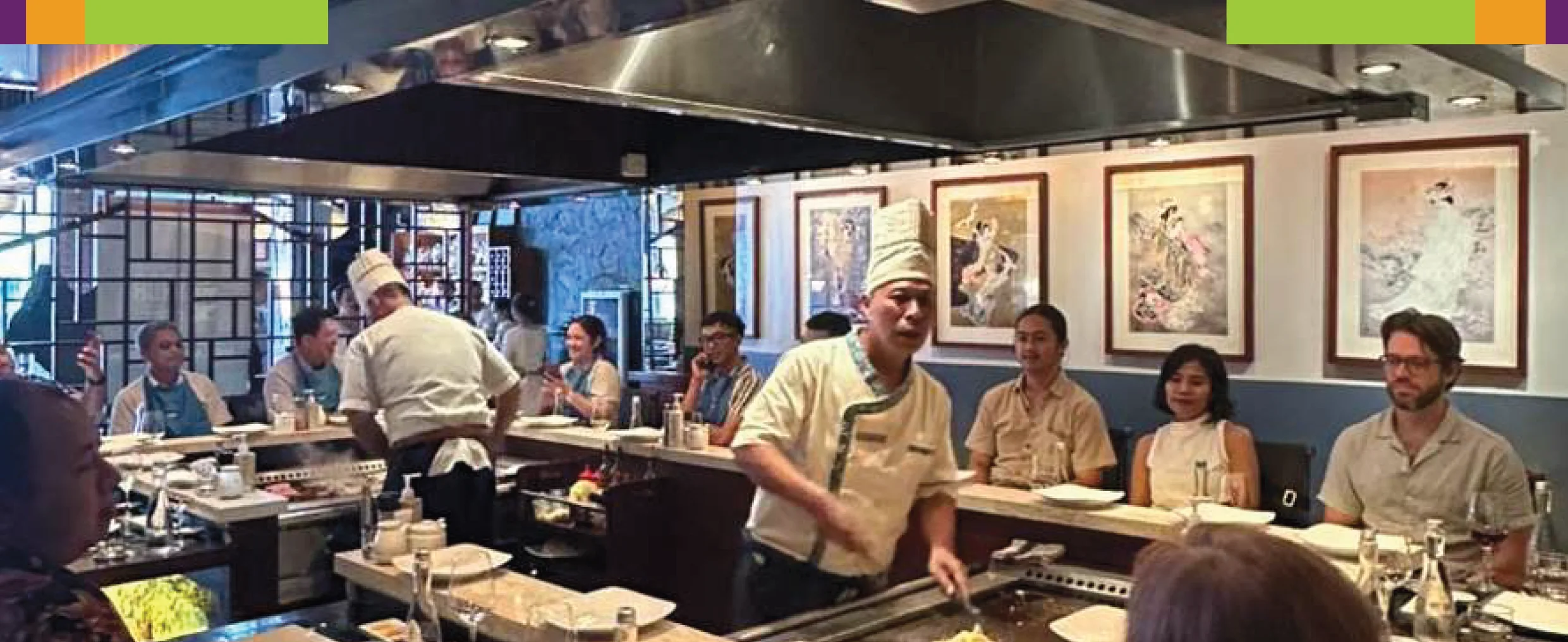
SALAM MANIS, WARM HOSPITALITY GREETINGS FROM BRCA !
Hello again, our dear F&B community! Salam hangat from the BRCA crew, and welcome to our November newsletter.
The first rains have touched Bali, and the island feels fresh again. It’s hard
to believe we’re already approaching the end of the year because time
really does fly. Even with this year’s ups and downs, tourists are still
pouring in, and the energy stays strong. We hope you’ve been cooking up
success in your businesses, and also catching sunsets, sipping coconuts,
and sneaking off to the beach whenever you can.
NOVEMBER HIGHLIGHTS…
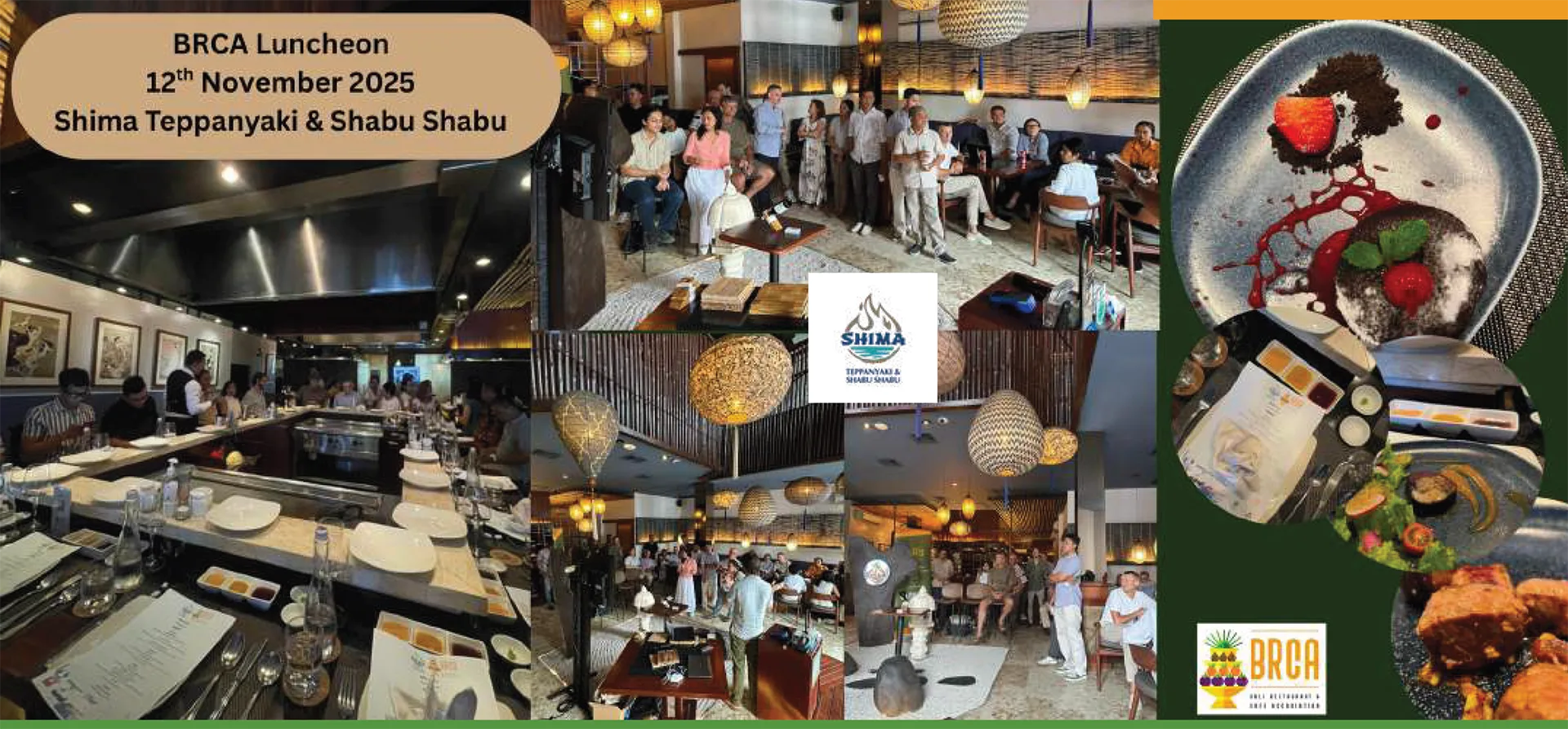
We had another wonderful luncheon at Shima Teppanyaki & Shabu Shabu in Seminyak. The food was exceptional, the atmosphere warm, and our
community’s energy truly inspiring. We enjoyed insightful sessions from
ChopValue and Astungkara Way, making the afternoon both a meaningful
networking moment and a chance to learn about sustainability and regenerative farming.
Gatherings like this reflect the heart of BRCA, creating a space where restaurants, sustainability leaders, suppliers, and industry partners can connect and grow as one vibrant F&B ecosystem. It was lovely to see familiar faces and new ones. We hope to keep this momentum going and see even more of you at the next event!
MONTHLY LUNCHEON UPDATE
12 NOVEMBER 2025 – AT SHIMA TEPPANYAKI TH & SHABU SHABU
A TASTE OF SEMINYAK: COMMUNITY, CONNECTION, AND TEPPANYAKI

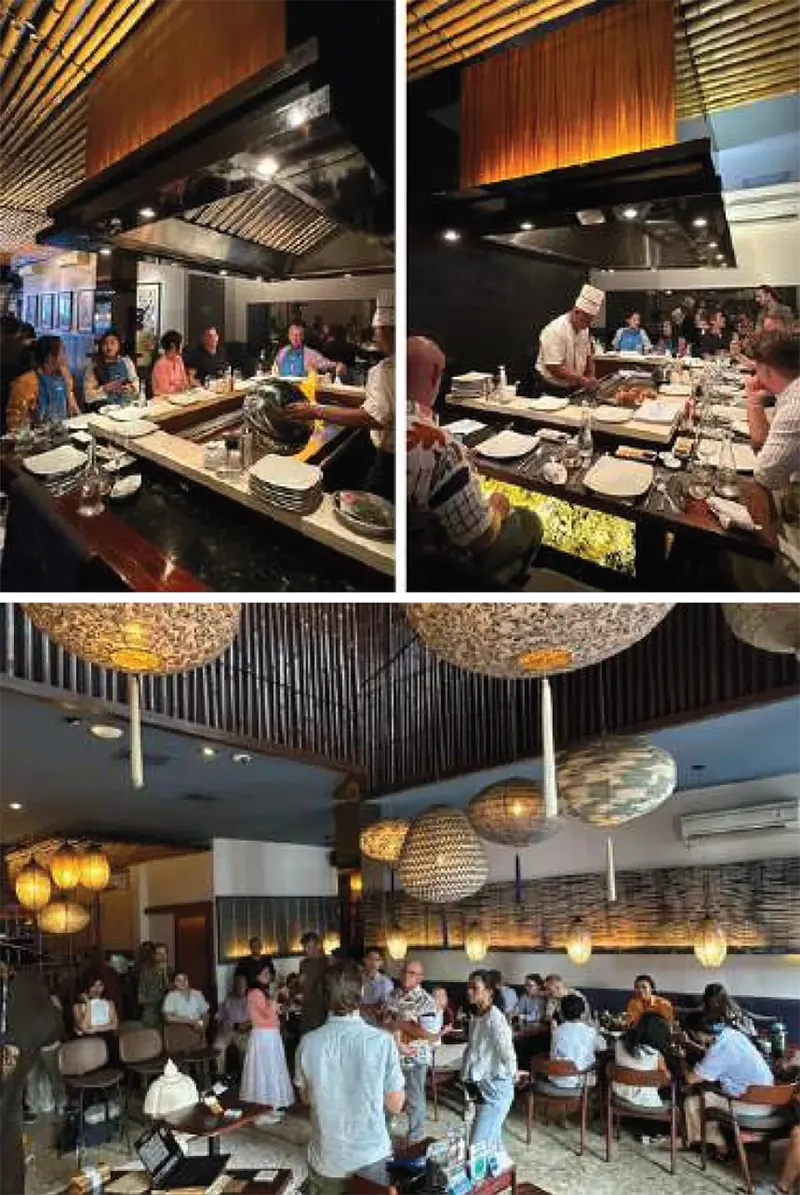
This month, we made our way to Seminyak, with a delicious Japanese touch to the day. Shima Teppanyaki and Shabu Shabu Seminyak hosted our luncheon, and founder Mr. Ray Dellapolina, together with his team, welcomed us with genuine warmth.
The gathering felt vibrant and relaxed, with familiar faces and new ones from restaurants, cafés, hotels, businesses, and sustainability groups. It was a great reminder of how wide and lively our F&B community is, and how important it is to stay connected and support one another.
ABOUT THE VENUE
Shima Teppanyaki & Shabu Shabu in Seminyak is one of Bali’s well-loved Japanese dining destinations, renowned for its premium ingredients and uthentic
cooking. Known especially for its Teppanyaki, Shima also offers Shabu Shabu, Sushi, Sashimi and Tempura, all prepared by internationally trained chefs using highquality Australian beef, Wagyu, locally caught fresh fish and locally grown vegetables. Guests can enjoy the lively Teppanyaki experience, where skilled chefs cook on the iron plate right in front of them, or choose the comfort of Shabu Shabu with signature broths and fresh ingredients.
With four Teppanyaki tables, spacious seating and a welcoming atmosphere, Shima is an ideal place for families, groups, or a relaxed night out. The restaurant combines quality, flavor and entertainment, offering an enjoyable Japanese dining experience in the heart of Petitenget.
CHEF & THE MENU
This luncheon was a true treat for the tummy, with beef, prawns, and fish grilled perfectly. But the real highlight at Shima Teppanyaki & Shabu Shabu
was the live cooking. The chefs put on a fun, skillful show that had everyone smiling. “I trained for one full year before I could perform the live cooking sessions for guests,” one of the chefs shared. We started our food journey with tasty canapés like Chicken Karaage, Beef Yakiniku Roll, and Lemon Yuzu Cheese Mousse. Then we gathered around the grill tables for a fresh start with Miso Soup and Sashimi Roll Salad. The main attraction followed as the chefs worked their magic, serving up King Prawn, Snapper, and Tajima Ribeye right off the grill. After fried rice and a warm chocolate lava cake to finish, we were left with sweet memories and happy tummies. Everyone went home smiling.
shimateppanyaki.booking@gmail.com
https://www.shimateppanyaki.com//
MONTHLY LUNCHEON UPDATE
THE SPEAKERS (CHOPVALUE)
ABOUT CHOPVALUE INDONESIA
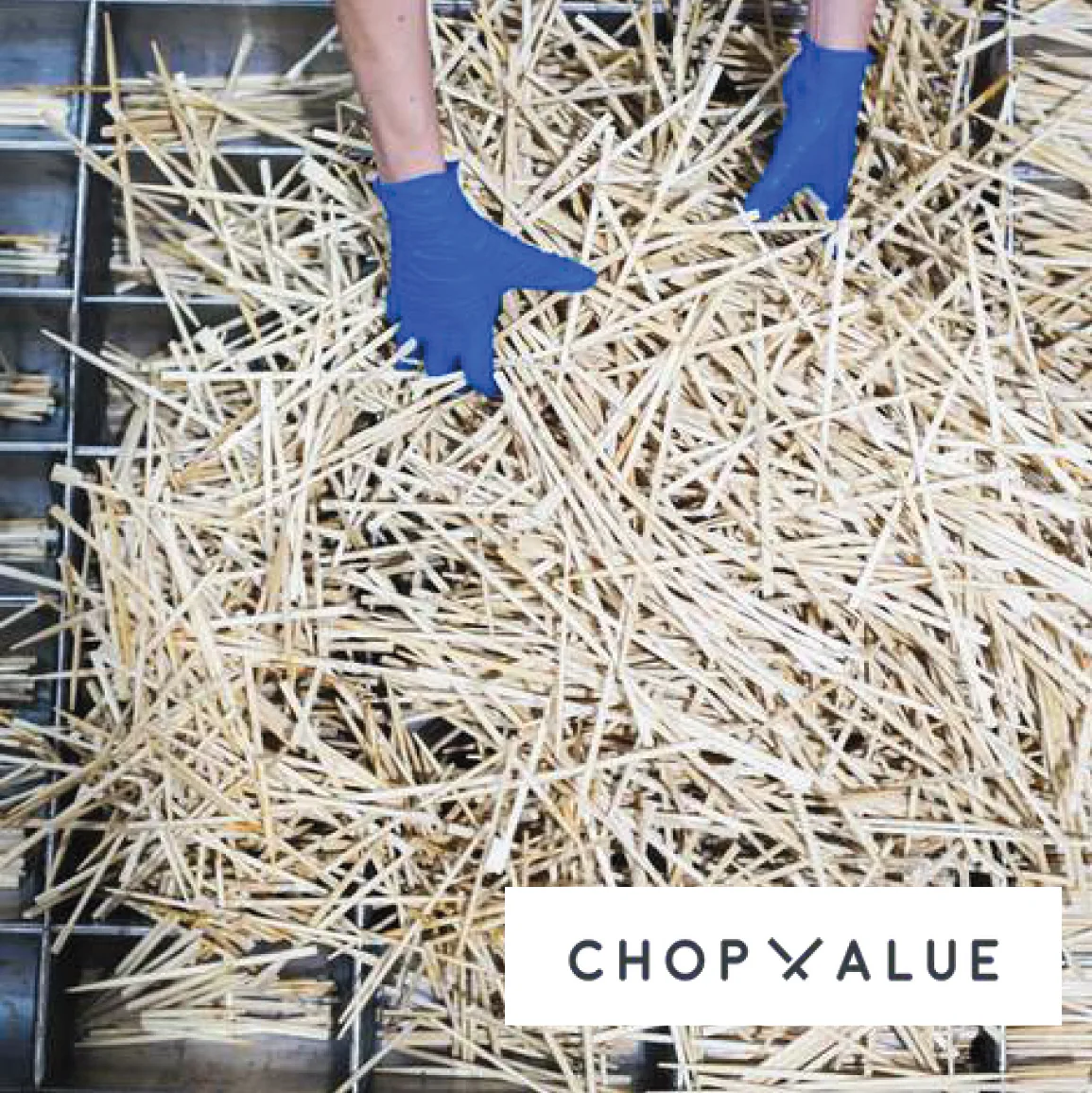
ChopValue Indonesia is helping F&B businesses rethink materials by transforming used bamboo chopsticks into durable, beautifully engineered
furniture and interior solutions. Designed and made in Bali through their Microfactory model, their products support a fully circular process that
reduces waste and lowers carbon impact.
For restaurants, cafés, and hotels, ChopValue offers a range of custom solutions including carbon-negative tables, seating, and modular wall
panels that are stronger than oak and harder than maple. All surfaces come with a commercial Ecolab®-certified finish, providing superior
resistance to water, heat, moisture, and heavy daily use.
https://chopvalue.com/
community@chopvalueindonesia.com
ORIN HARDY (DIRECTOR AND CO-FOUNDER CHOP VALUE) – CLOSING THE LOOP: TRANSFORMING BALI’S WASTE INTO CIRCULAR SOLUTIONS FOR THE F&B INDUSTRY
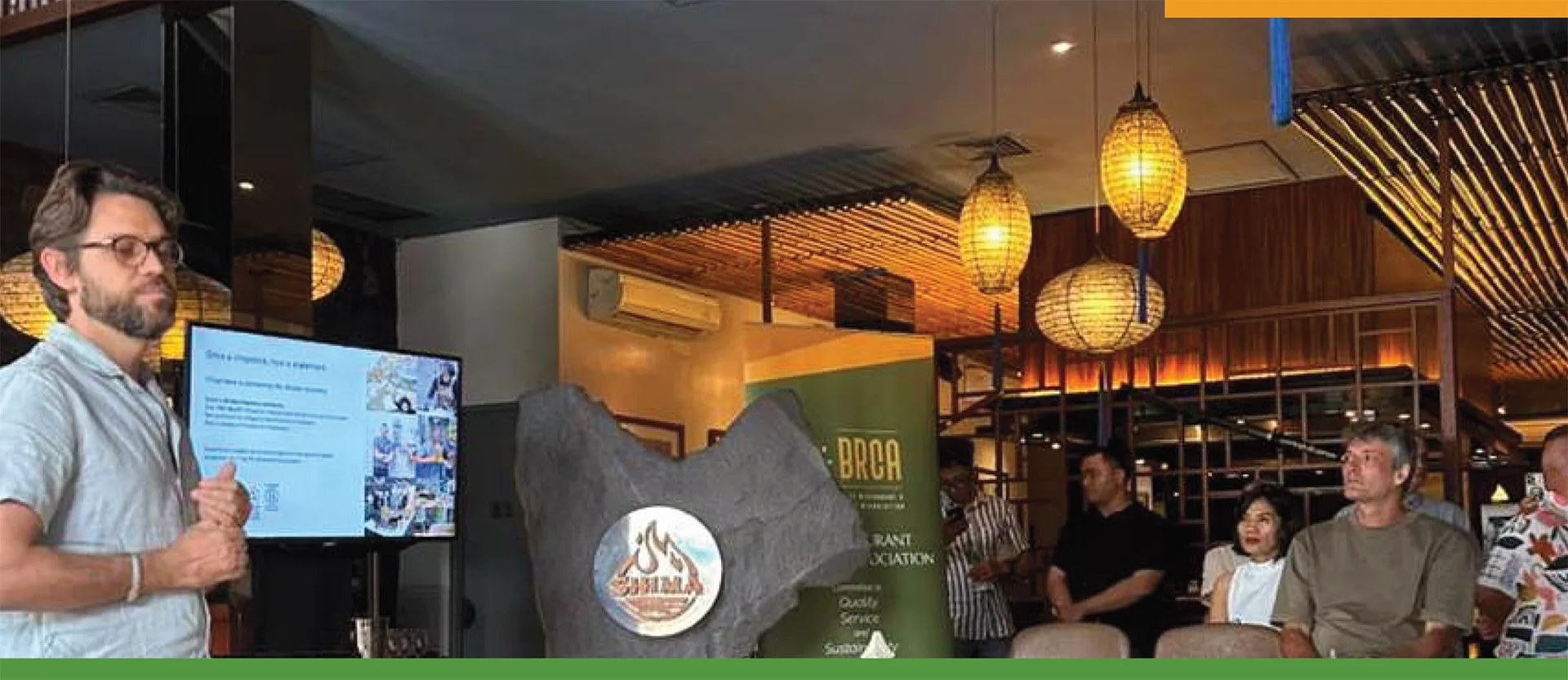
Our first speaker of the day was Orin Hardy, Co-Founder of ChopValue Indonesia, who shared an inspiring look into the brand’s journey and its positive impact on the environment. Orin is no stranger to sustainability.
With deep roots in Kul Kul Farm, Green School Bali, and Bamboo U, sustainability truly runs in his DNA. ChopValue Indonesia is redefining waste by transforming used bamboo chopsticks and skewers into highquality furniture, décor, and interior solutions made in Bali. As part of a global network of 80+ Microfactories and a Certified B Corporation, the company demonstrates a powerful circular economy model: local waste collected from restaurants becomes locally produced, performanceengineered materials stronger than oak and harder than maple. Their portfolio includes custom furniture, modular wall panels, branded signage, and sustainable accessories for hospitality and retail.
ChopValue Indonesia also supports businesses with circular design services, engraving, interior fit-outs, and collaborative sustainability projects. Each product transparently displays its environmental contribution, showing both the number of chopsticks recycled and CO₂ emissions saved — highlighting the impact of responsible manufacturing.
(Special prices are available for BRCA members)
THE SPEAKERS (ASTUNGKARA WAY)
ABOUT ASTUNGKARA WAY
Astungkara Way is working to realign tourism and agriculture so they can support and regenerate one another. Through Regenerative Travel, they uplift local culture, economies, and farming traditions while helping farmers shift from chemical-based practices to regenerative methods that better serve both the land and Bali’s hospitality sector. Their work
reconnects Bali’s two key economic pillars and offers a model of sustainability for communities worldwide.
Regenerative Rice Farming: Re-learning how to work with nature
Astungkara Way is the first to scale Complex Rice Agrosystems—combining revived traditional practices with modern ecosystem science.
https://www.astungkaraway.com//
CONTACT@ASTUNGKARAWAY.COM
TANGGUY YU – (GENERAL MANAGER ASTUNGKARA WAY) – SUSTAINABLE PROCUREMENT WITHOUT GREEN WASHING
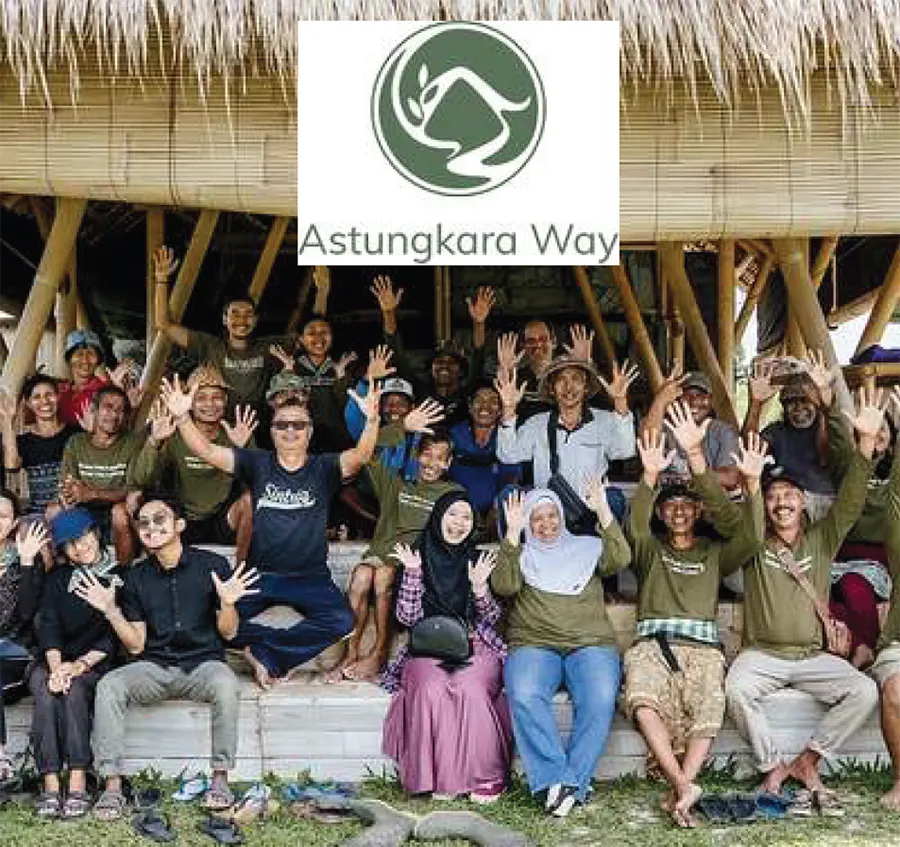
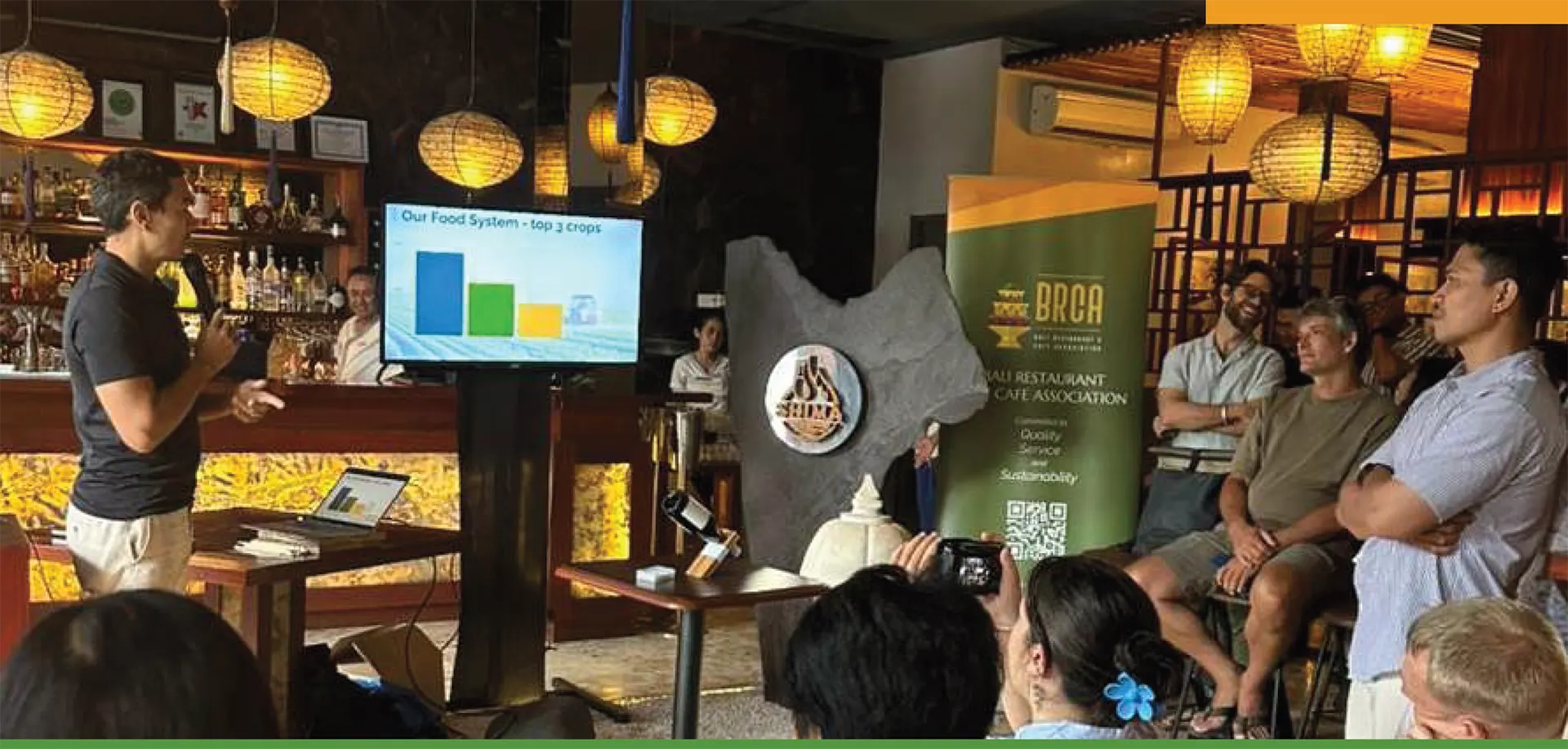
The second topic was exciting and very relevant, given that almost every restaurant and café relies on rice in their menu. Tangguy Yu explained Astungkara Way’s Regenerative Rice Farming to our audience in an informative and engaging way. He shared that Astungkara Way is pioneering a regenerative approach to rice farming in Bali by scaling Complex Rice Agrosystems. This system blends revived traditional practices with modern ecosystem science. This method brings ducks back into the paddies to naturally weed, fertilize, and control pests while providing farmers additional income from eggs and meat. Instead of burning rice straw, it is returned to the fields as compost, and chemical herbicides and fungicides are eliminated to restore living, healthy soil.
Within just 16 months, farmers have seen stronger plants, improved water quality, and rising biodiversity across their fields. Economically, the system
reduces labor, increases yields, and can double farmers’ profits. With over 170 farmers now part of the program, Astungkara Way is leading Bali toward becoming the first regenerative farming island—and a global model for sustainable agriculture. Astungkara Way offers transformative experiences that blend cultural immersion, sustainable practices, and environmental stewardship. Their regenerative walking trails take you across rice paddies, remote villages, forests, and coastlines. (Special prices are available for BRCA members).
EVENTS & HAPPENINGS | UPCOMING EVENTS
INVITATION TO BRCA DECEMBER CHRISTMAS AND YEAR END LUNCHEON
WE INVITE YOU TO THE BRCA CHRISTMAS AND YEAR-END GATHERING
Date: 9 December 2025
Time: 12 PM onward
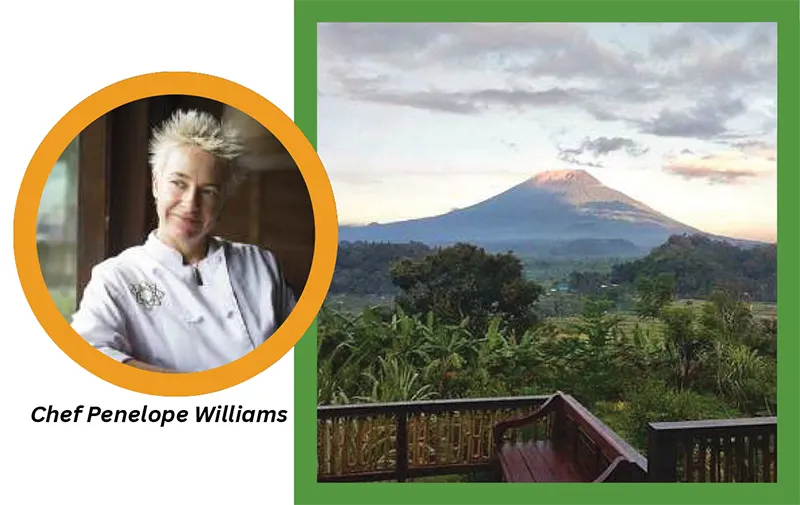
Location: Bali Asli Restaurant, Jl. Gelumpang, Bukit Cinta, Kec. Karangasem, Kabupaten Karangasem, Bali 80811
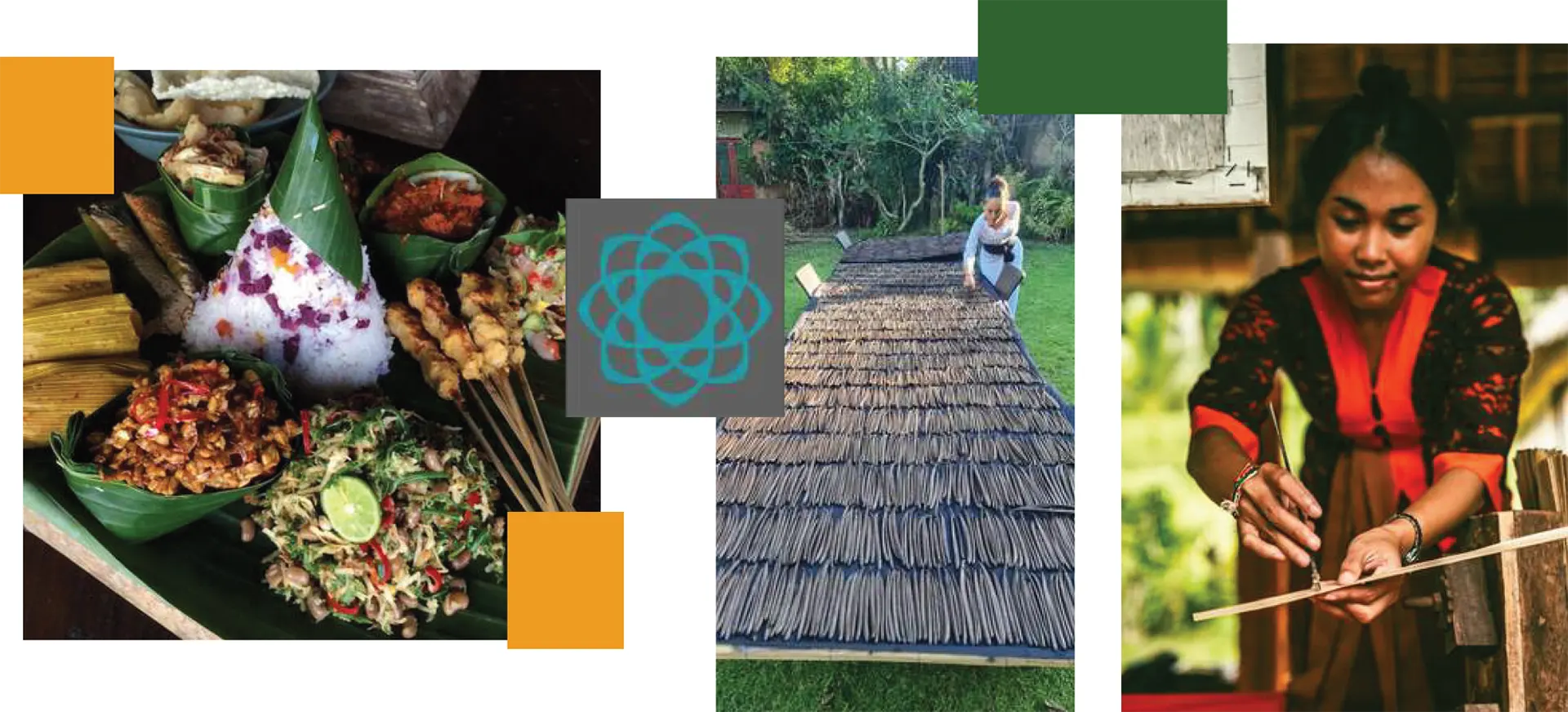
Join us for a warm Christmas and year-end luncheon at Bali Asli Restaurant in Karangasem. We’ll enjoy a Megibung feast prepared by Chef Penelope Williams in the spirit of togetherness, sharing delicious food while connecting.
Guest Speaker and Activities:
We’re happy to welcome Ibu Jero Gangga, who will tell the inspiring story behind her vanilla farm in Karangasem. You’ll also get to join a fun cultural activity with the team from Museum Pustaka Lontar, as they explain the history and process of making Lontar. Everyone will have the chance to etch a personal message on their own Lontar plate to take home.
We’ll also provide a small bus for the Denpasar–Karangasem–Denpasar route. If you’d like to join the bus trip, please contact us.
Leave Bali Asli with much more than a happy belly! We can’t wait to spend this special afternoon with you.
BRCA SUSTAINABILITY CORNER
INSIDE APURVA KEMPINSKI’S SUSTAINABILITY JOURNEY
The Apurva Kempinski continues to lead the way in sustainable hospitality, winning Best Sustainable Hotel at the 18th ULTRAs in London last year. We’re excited to highlight their eco-driven efforts, especially across their
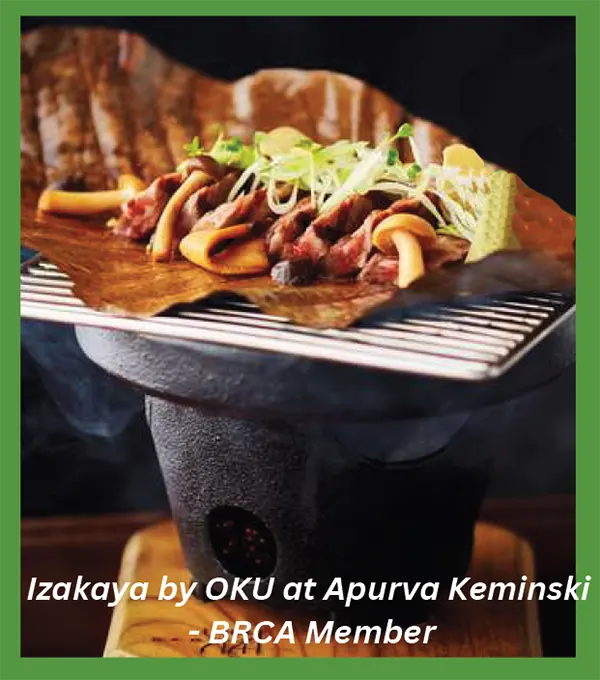
dining outlets — including one of our own BRCA members. We reached out to Desak Made Intan Sari, Director of Hygiene, Safety & Sustainability at The Apurva Kempinski Bali, to share how their team is bringing
meaningful sustainability practices to life.
Q: When talking about Apurva Kempinski, if you had to describe it in three words, what would those be?
A: Indonesian. Sustainable. Unique
Q: Sustainability in hospitality—especially in Bali—has become essential and is now considered a standard. When did Apurva Kempinski begin its sustainability journey, and when were sustainability programs first implemented?
A: Our sustainability commitment began the moment we opened in 2019, founded on the belief that world-class hospitality must also uplift the environment and communities that make it possible. By 2022, we sharpened our sustainability direction, accelerating impactful initiatives aligned with Indonesia’s cultural and ecological heritage.
Our earliest programmes included a robust sewage and wastewater treatment system, ensuring responsible environmental protection from day one. We also introduced the Green Linen Artefact, educating guests on responsible living by encouraging bed sheet changes every two days, significantly reducing water, energy, and chemical use in a respectful, guest-centric approach. These foundational actions reflect our long-term dedication to mindful luxury and responsible operations.
Q: What is the core philosophy behind Apurva Kempinski’s sustainability practices?
A: Our sustainability philosophy is rooted in a holistic approach: Luxury must empower culture, protect nature, and uplift communities. This vision shapes our four sustainability pillars:
– Preserving Culture – celebrating Indonesia’s artistry, wisdom, and heritage through architecture, craftsmanship, and guest experiences.
– Protecting the Environment – implementing responsible systems and ecological stewardship in daily operations.
– Local Empowerment – championing local talent, partners, and suppliers to strengthen Indonesia’s creative and economic ecosystem.
– Valuable Business – ensuring long-term prosperity through responsible strategies that create value for all stakeholders.
This balanced approach ensures that every initiative resonates with both global sustainability standards and Indonesia’s cultural identity.
Q: As BRCA represents restaurants and cafés, could you share the sustainability programs implemented across your dining outlets within the hotel?
A: Across all our culinary venues, sustainability is an integral part of our philosophy. We prioritise ethical sourcing, collaborating closely with Indonesian farmers, fishermen, micro-producers, and artisans. This supports local ecosystems while ensuring the freshest produce with the lowest environmental footprint. We minimise food waste through mindful menu design, responsible purchasing, and operational efficiency. Additionally, our signature “Seed for Life” Programme empowers diners to contribute directly to Indonesia’s mangrove restoration efforts, creating a meaningful bridge between gastronomy and environmental protection. At The Apurva Kempinski Bali, dining becomes not only a celebration of flavour but also a contribution to Indonesia’s ecological future.
Q: With travelers becoming more sustainability-conscious and increasingly choosing restaurants that care for the planet, how important is it to align hospitality branding with sustainability? What sustainability branding strategies do you apply to your restaurants, and have showcasing these efforts brought tangible benefits?
A: Sustainability is now a defining benchmark in luxury hospitality. Today’s affluent travellers seek brands that embody authenticity, responsibility, and long-term vision. At The Apurva Kempinski Bali, sustainability is not positioned as a “programme”; it is woven into our brand identity, guest journey, and annual brand campaign direction. Each year’s “Powerful Indonesia” theme amplifies this alignment by celebrating Indonesia’s natural richness, cultural
heritage, and the communities behind it. By showcasing our sustainability commitments through storytelling, partnerships, culinary concepts, and innovative guest experiences, we cultivate stronger guest loyalty and industry recognition. These efforts have translated into tangible benefits: heightened brand prestige, increased engagement among conscious travellers, stronger community partnerships, and enhanced market trust.

Desak Made Intan Sari
Director of Hygiene, Safety & Sustainability at The Apurva Kempinski Bali
BALI, HOSPITALITY & TOURISM
TOURISM OVERVIEW OF BALI PROVINCE

In 2024, Bali welcomed 6,333,360 foreign visitors and 10,120,786 domestic travelers, according to the Bali Central Bureau of Statistics (BPS). This year, the provincial government aims to attract 6.5 million foreign tourists in 2025, and the goal appears to be within reach. From January to September 2025 alone, Bali recorded 5,297,869 foreign arrivals, an 11.55% increase compared with the same period in 2024. Meanwhile, September saw a slight dip from August, with Bali welcoming a total of 536,149 visitors.
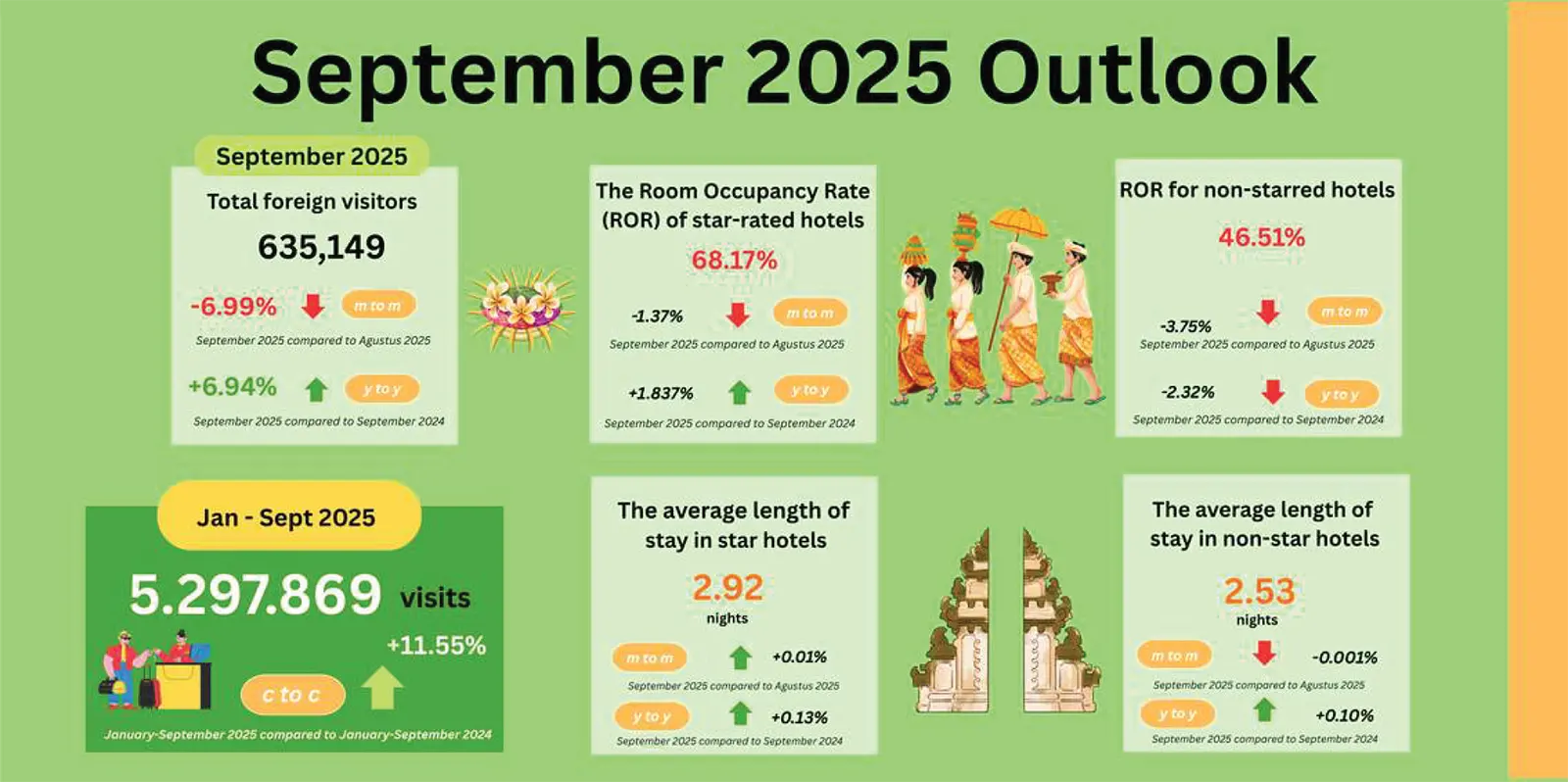
Meanwhile, Colliers has released its Third Quarter (Q3) 2025 report on Bali’s hospitality sector. Here are a few highlights from the Colliers Q3 2025 report:
Growth in Ubud & Uluwatu, and a Continued Focus on 5-Star Hotels
Bali’s development pipeline keeps gaining momentum, with most new projects leaning toward the 5-star segment.
Ubud continues to shine as a wellness destination, and limited land in the south is pushing more interest further north. At the same time, Jimbaran–Uluwatu is quickly growing, with new hotels bringing fresh energy to the area — from cafés to restaurants to new villas — creating more opportunities for our F&B community to thrive and collaborate.
AOR & ADR: What the Numbers Tell Us
July’s holiday rush boosted both occupancy and rates, but once the season ended, arrivals — especially domestic — eased, pulling occupancy down. Even so, hotel room rates stayed strong, with ADR rising 2% in August. This stability is driven by foreign travelers, who make up about 40% of Bali’s arrivals and tend to spend more, keeping demand for premium rooms resilient even when the market slows.
Global Market 2025
Before 2020, Australian and Chinese travelers dominated Bali’s international arrivals. Since 2024, India, China, and South Korea have become the fastest-growing markets. Australians still see Bali as a second home, while India’s rise is fueled by higher incomes and improved air connectivity. The top international markets for 2025 are Australia, India, China, South Korea, the UK, the USA, France, Malaysia, Russia, and Singapore.
Balancing Growth With Environmental Responsibility
The Colliers Q3 2025 report highlights one clear message: sustainable planning is becoming essential for Bali’s hospitality future. Early September’s heavy rains and flooding in parts of Denpasar served as a reminder of how crucial green spaces and water-catchment areas are for Bali’s resilience. Despite these challenges, Bali continues to attract strong foreign arrivals and solid investor interest. Tourism remains a key economic driver for the government, and as development expands, our community shares the responsibility — alongside policymakers — to ensure that growth supports long-term environmental stability.
THE F&B LOOP
BALI & INDONESIA’S F&B SCENE!
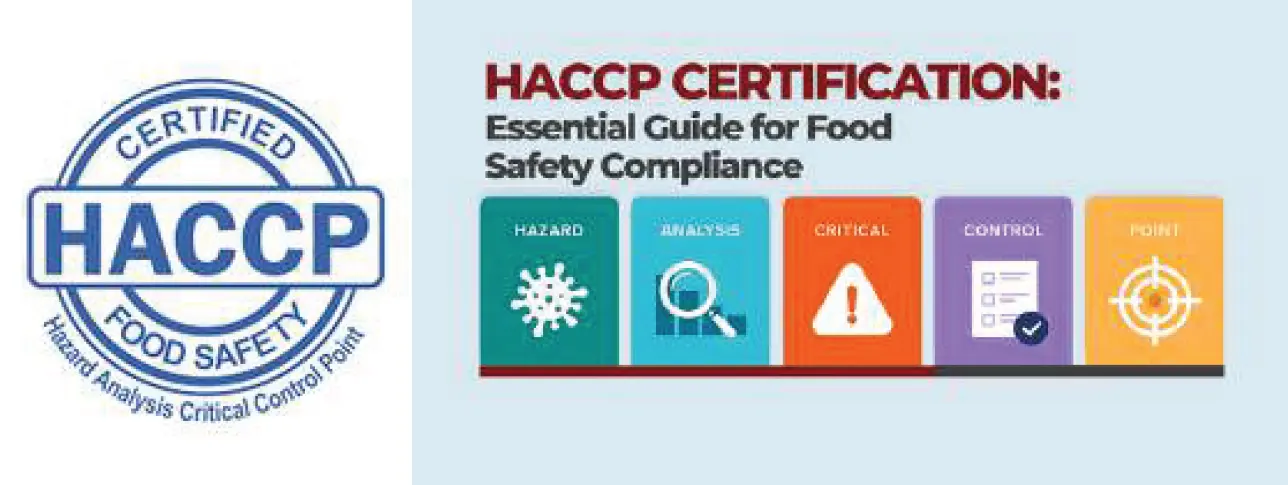
HACCP – WHY IT IS IMPORTANT FOR F& B
In today’s fast-moving F&B world, keeping our food safe is one of the most meaningful ways we care for our guests and our teams. It is not just a standard. It is a shared responsibility that reflects who we are as a community. With food safety issues often appearing in the news, understanding HACCP (Hazard Analysis and Critical Control Points) has become more important than ever.
Anna Dewi, Executive Assistant Manager for Rooms and F&B Operations at Mövenpick Resort & Spa Jimbaran Bali, shared with BRCA that HACCP certification is a core requirement at her hotel. “Every year, we must undergo an audit to renew our certification. The minimum passing score is 80 percent,” she explained.
They work closely with a food safety consultancy based in Australia, which evaluates 129 touch points that the team must meet to maintain compliance.
According to Muhamad Rifki, Senior Business Development Executive at Control Union Indonesia, food safety is becoming more essential than ever for the F&B industry. “Control Union offers food-safety certifications such as HACCP, ISO 22000, FSSC, and GMP,” he explained, noting that these systems help businesses prevent contamination, protect guests, and meet the growing expectations of regulators and the market. Rifki added, “We work with restaurants, hotels, producers, and distributors such as McDonald’s, AeroFood, and Hotel Intercontinental Pondok Indah. A strong food-safety system is now crucial for any business that wants to stay trusted and competitive.”
So, what is HACCP in simple words? It is a system that helps us keep food safe from the very beginning.
HACCP guides us to look out for potential risks at every stage, whether we are receiving ingredients, preparing dishes, cooking, storing, or serving. Instead of checking safety only at the end, HACCP helps us protect our guests throughout the entire process.
For our F&B community, HACCP brings many meaningful benefits. It helps us serve food that is safe and trustworthy, strengthens guest confidence, supports smoother teamwork in the kitchen, ensures we meet important regulations, and builds a brand that people feel good about. When we embrace HACCP, we are doing more than following a system. We are showing care, pride, and respect for everyone who walks through our doors. It is a reflection of our commitment to quality and to the heart of hospitality.
If you require more information about HACCP, please contact us.
ABOUT BRCA
WELCOME NEW BOARD MEMBER OF BRCA

We are delighted to welcome our new BRCA Board Member, Peter Dundas.
A lifelong devotee of Restaurants, Hotels, Beach & Night Clubs, Peter Dundas embodies the pulse of modern hospitality. With an instinct for operations, a flair for marketing, and a deep belief in the power of people, technology, and performance, his approach blends creativity with commercial clarity. Peter’s journey has seen him excel as a senior operations and commercial director for one of the most pioneering independent hospitality groups, before carving a respected path as a restaurant and bar consultant known for bringing brands to life. In 2010, he once again stepped ahead of the curve — championing the digital transformation of restaurants as the Indonesian Reseller for ResDiary, a leading global restaurant reservations platform.
Guided by the belief that “if it’s not simple, you haven’t thought about it hard enough” and that “integrity is doing the right thing, even when no one is watching,” Peter continues to inspire teams and businesses to perform with purpose. His raison d’être is simple: to empower people and brands to reach their fullest potential — with heart, vision, and integrity at every step.
OUR SPONSORS
HONORING THE SUPPORT BEHIND BALI’S F&B COMMUNITY
At BRCA, we’ve always believed that a thriving F&B community grows from collaboration, shared purpose, and the people who stand with us along the way. We feel incredibly grateful to walk this journey with partners who bring passion, reliability, and heart into everything they do. Their support strengthens our mission to uplift Bali’s culinary scene, encourage sustainable practices, champion local producers, and create meaningful spaces for our industry to learn, connect, and evolve together.
To all our partners — Hatten Wines, Restomart, Global Extreme, Now! Bali Magazine, Sukanda Djaya, Bir Bintang Indonesia, Gaia Digital Agency, Aqua Reflections, PT Multifortuna Sinardelta, and Bali Sustainable Seafood — thank you for being such an essential part of our growing community. Your contributions help energize our events, enrich our programs, and empower us to keep building a brighter future for Bali’s F&B ecosystem.
We deeply appreciate each of you.

SIGNING UP INVITATIONS FOR INDUSTRY COLLEAGUES
STRONGER TOGETHER: BUILDING BALI’S F&B COMMUNITY
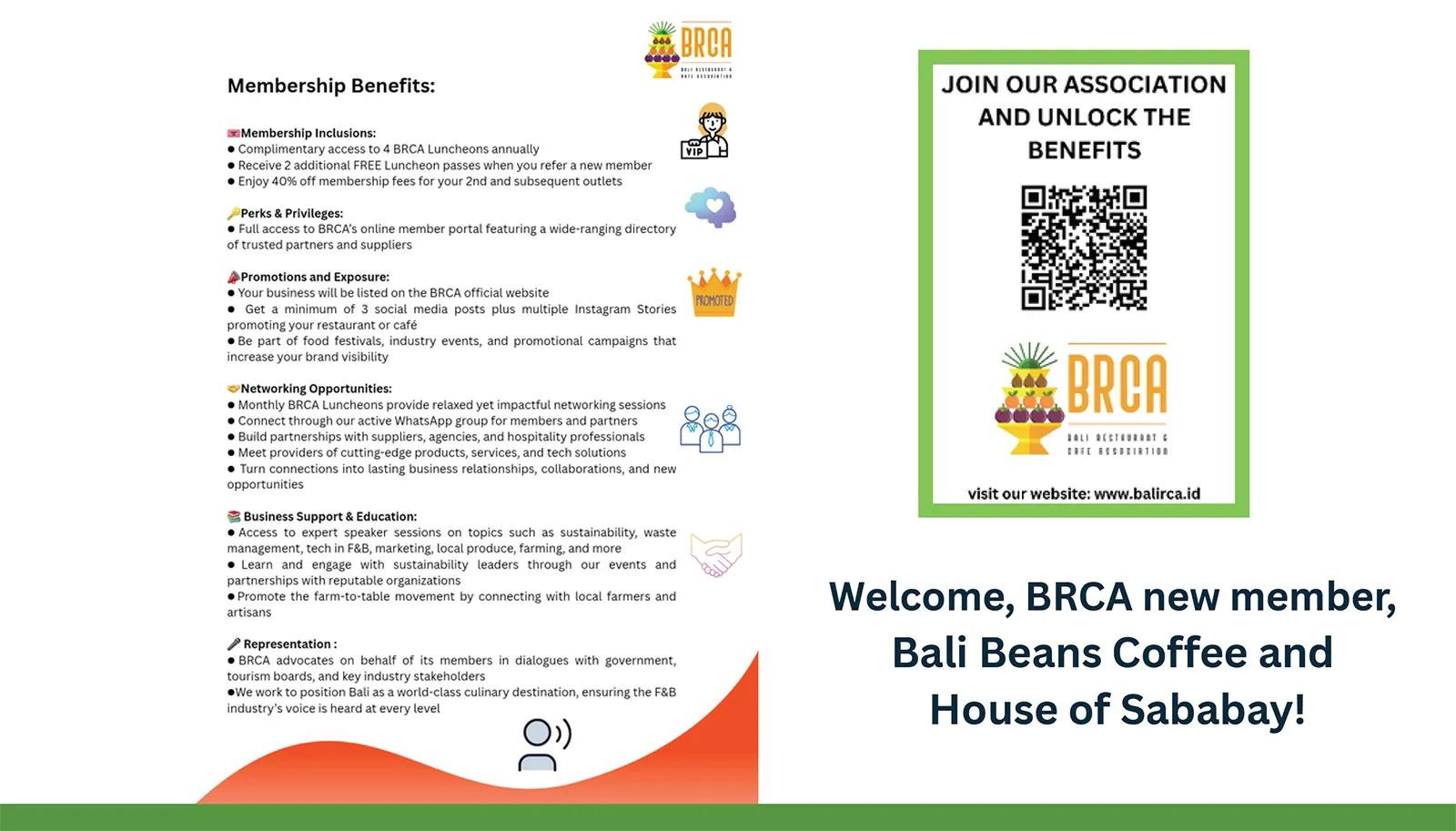
BBRCA believes that a strong community is one of the most powerful forces in the F&B industry. When restaurants, cafés, and the wider F&B ecosystem come together, they create a unified voice that showcases Bali’s culinary strengths in a way no single business can. By joining our community, you become part of a network that shares knowledge, supports one another, and drives innovation. Together, we can keep Bali’s F&B scene vibrant, competitive, and globally recognized.
Please share this newsletter with your industry peers and food-focused businesses. While BRCA membership is open to restaurants and cafés, sponsorship opportunities are also available for others who share the same vision of a food-forward Bali. For membership and sponsorship inquiries, contact Naomi at manager@balirca.id
CLOSING BRCA & YOU
CALLING THOSE WHO BELIEVE IN BALI’S CULINARY FUTURE
BRCA is committed to showcasing Bali’s incredible food scene on the world stage, and we’d love to grow this journey with others who believe in the same vision. If you feel connected to this purpose, please contact our team below. Together, we can help share Bali’s unique flavors and stories with a wider audience.
Founders
Dean Keddell – Ginger Moon Restaurants & Author of Our Bali Your Bali – Bali Kita Bali Kamu
Chris Salans- Mozaic
Anthony Syrowatka – Viceroy Hotel, Aperitif, Blossom + others & Gaia Digital Marketing Agency
Board
Kertawidyawati (Widya) – BRCA President
Weni Ariasty – Manager NOW! Bali & the BRCA treasurer
Ana Dewi – Mövenpick Resort & Spa Jimbaran Bali – HACCP
Maria Efflin – Administrator at the BRCA
Naomi Tribuana Festilani – Business and Community Manager BRCA
Jeroen Van Overbeek – Social Impakt, Bali Coop & BRCA Vice President
Min Siah – Wheatfields Bakery, Starter Lab – Advisor
Heru Dwi Soesilo – 2080 Burger & an events, branding & marketing guru
Cynthia Louise Tait – Jhoi Local Eats & championing wellness in the workplace for the BRCA
Rahmi Fajar Harini – Eco Tourism Bali & sustainability champion
Peter Dundas – Advisor
Thank you for reading this newsletter. We look forward to seeing you at our luncheon in November! Suksma!
With culinary regards
Naomi Tribuana Festilani
Business & Community Manager BRCA
On Behalf of BRCA Founders & Board
Email: manager@balirca.id
Website: www.balirca.id