BRCA Newsletter: September 2026
September 2026
Om Swastiastu!
Warm hospitality greetings from BRCA!
September in Bali
September sits at the tail end of Balis dry season, that sweet spot before the wet season (and the Christmas/New Year crowds) rolls in.
Warm days, clear ocean, and a calmer pace compared to the July–August rush. If you managed some beach time, a good sunset, or just a quiet moment to soak in the island’s beauty, good on you.
Now grab your nasi campur and let’s dive into what’s been happening around BRCA this month.
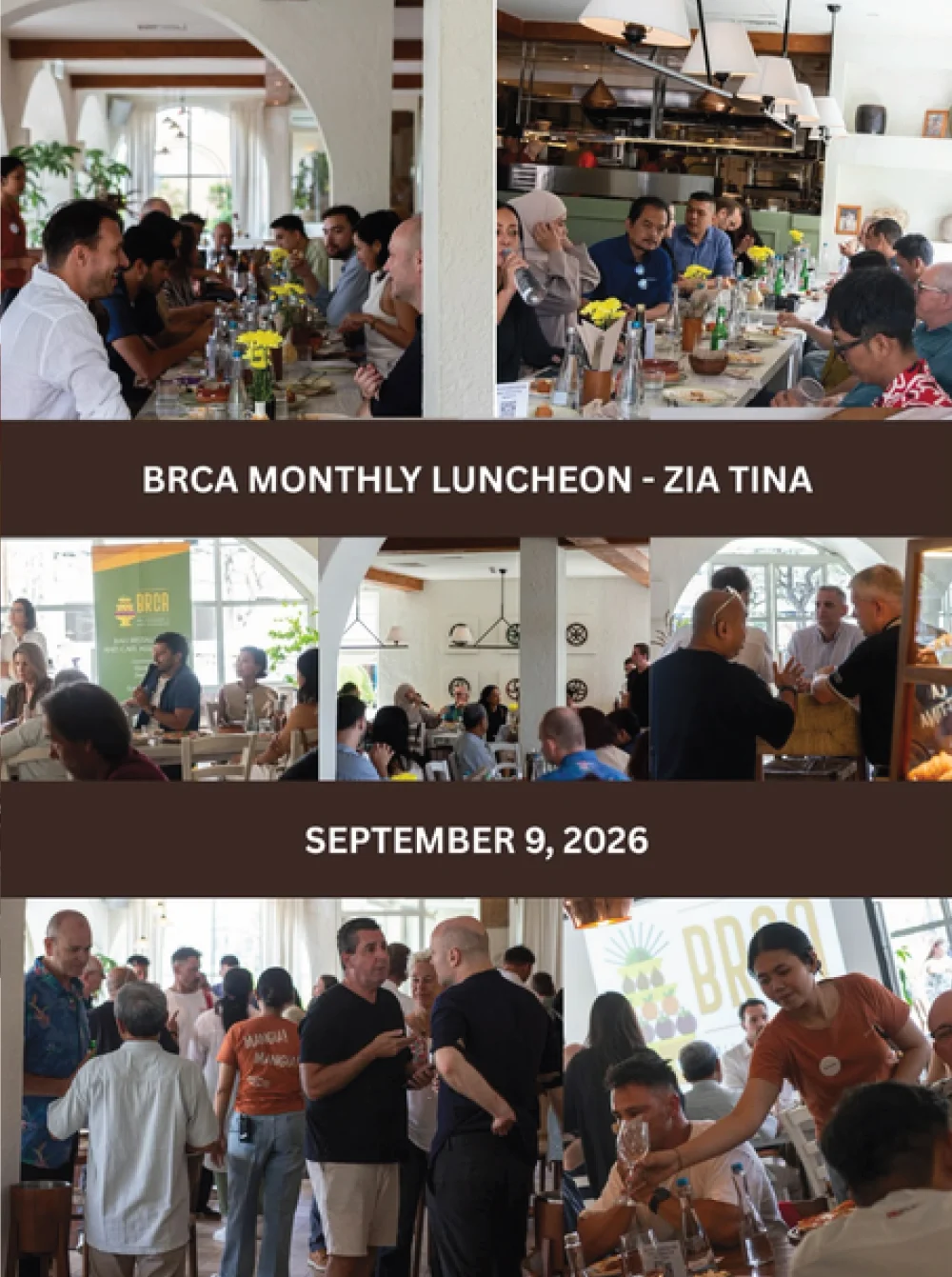
Septembers luncheon was one for the books! Hosted at Zia Tina, the beloved Italian spot right in the heart of Seminyak, it turned into one of the best gatherings of the year.
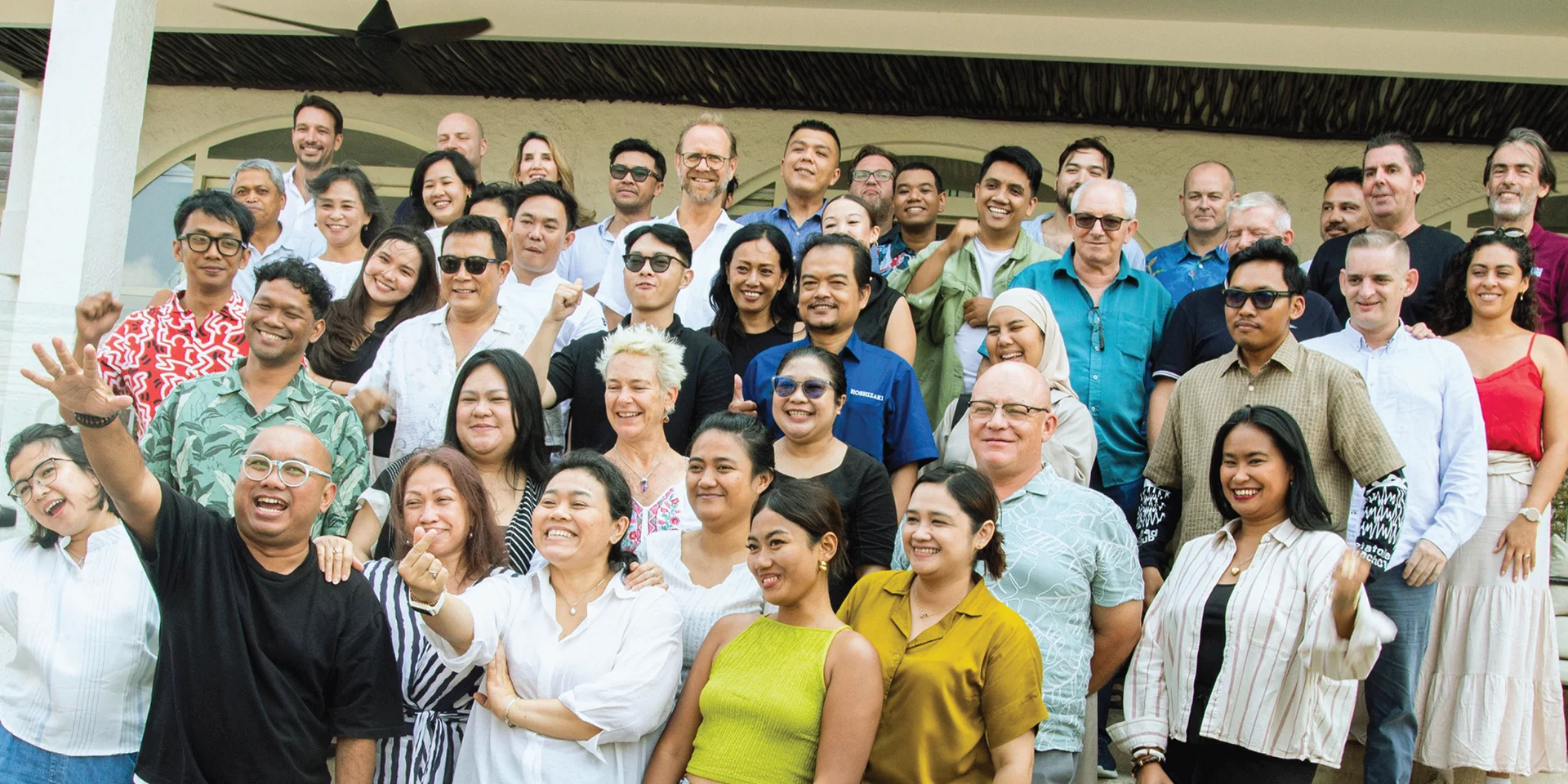
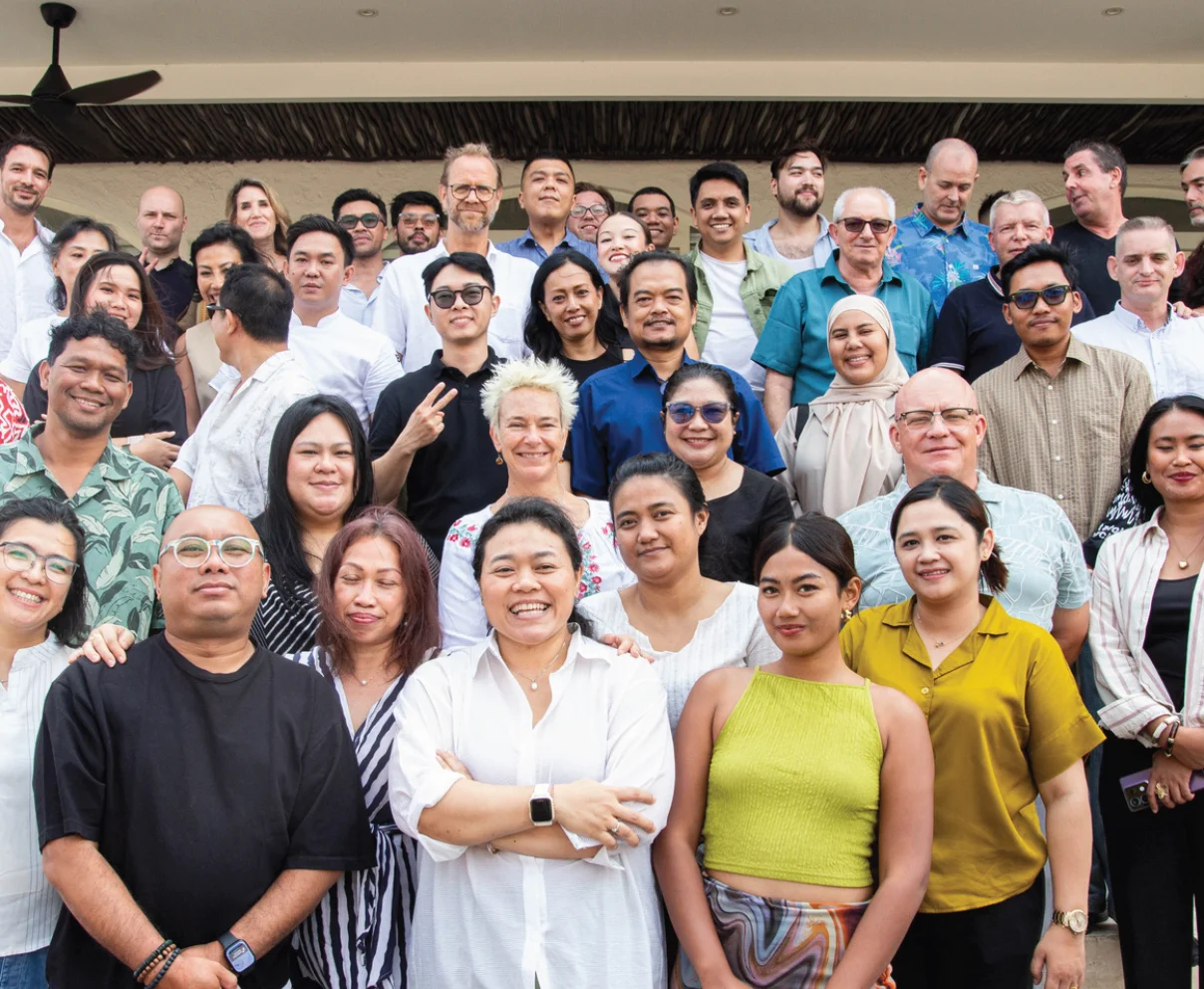
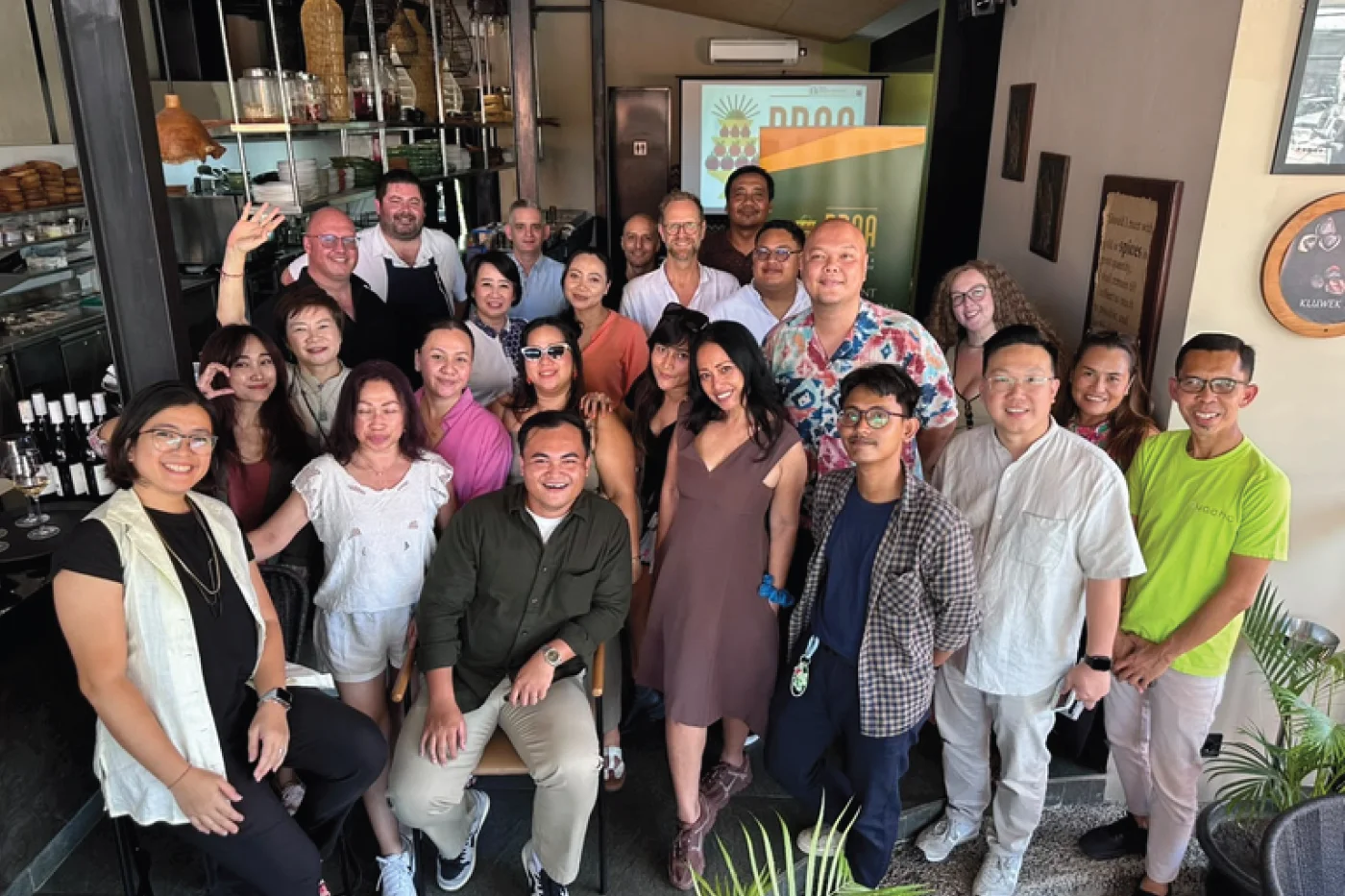
The room was packed with media, restaurant and hotel representatives, sustainability leaders, and F&B businesses from across the island, all coming together in one place.
We’re so thankful and grateful to everyone who showed up and made it such a memorable afternoon.
Here’s to more amazing gatherings and networking ahead!
At BRCA, we’re busy putting the final touches on Bali Good Food Month 2026, an island-wide series of
culinary collaborations running through the month, closing with a food and music festival on November 14th.

MONTHLY LUNCHEON UPDATE
9 SEPTEMBER 2026
BRCA Luncheon at Zia Tina, Seminyak
BRCA Takes September
Lunch to Petitenget
Full House, Full Plates, Full Agenda
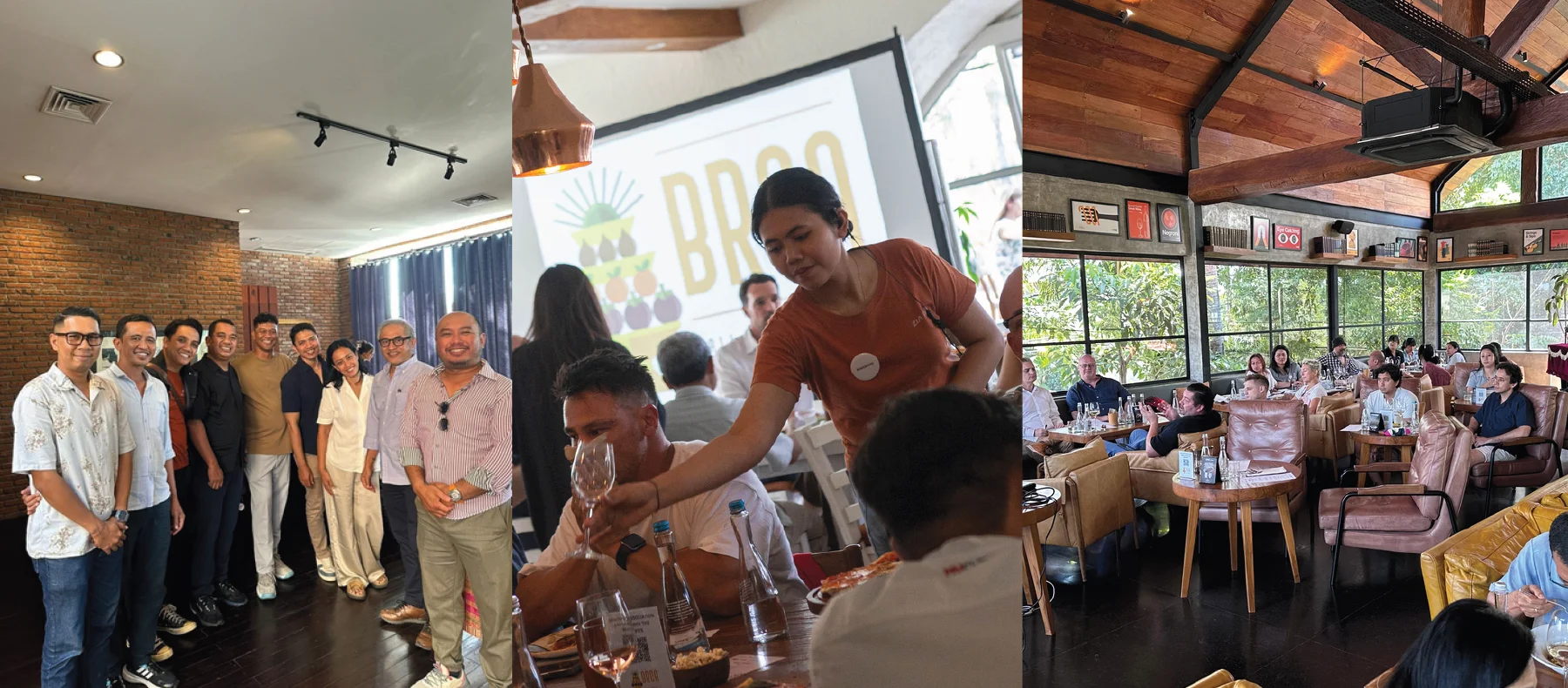
This September, BRCA packed its bags and headed to the heart of Seminyak, landing right in Petitenget for our monthly luncheon. Our member Zia Tina played host at her Italian restaurant, and honestly, the choice could not have been better. Great location, great food, and a lineup of speakers that had people genuinely leaning in to listen.
Word got around fast. We had close to 50 people show up, a real mix of media, restaurant and hotel people, business owners, sustainability advocates, and a good number of new faces we had not seen at previous lunches. The room was full of energy all afternoon, equal parts industry talk and good old fashioned networking, exactly the kind of gathering worthshowing up for.
Taste of Zia Tina
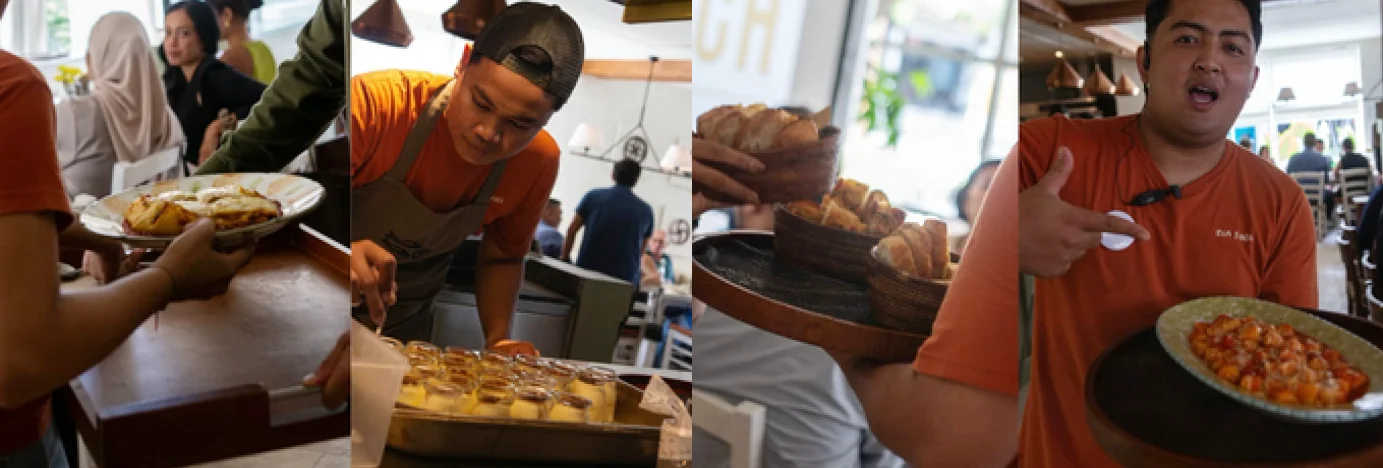
The food genuinely could not have been better. Zia Tina is owned by iconic chef Maurizio Bombini, the mind behind Mauri Restaurant, and someone whose talent needs no introduction. Everyone in the room agreed the food was outstanding, and the great speakers only made the whole afternoon come together even more beautifully.
We started with the Tomato Bruschetta, Polpette al Sugo, and Crab Arancini, and honestly, all three hit the mark perfectly. Then came the mains, where the Beef Ragu Lasagna stole plenty of praise, closely followed by the pizza. To close things out, dessert did not disappoint either, the tiramisu was exactly as good as you would hope. If you are a fan of Italian food, Zia Tina deserves a spot on your list. We had a wonderful time, the service was attentive, and the vibe of the place made the whole afternoon even better. See you at the next luncheon.
The Venue
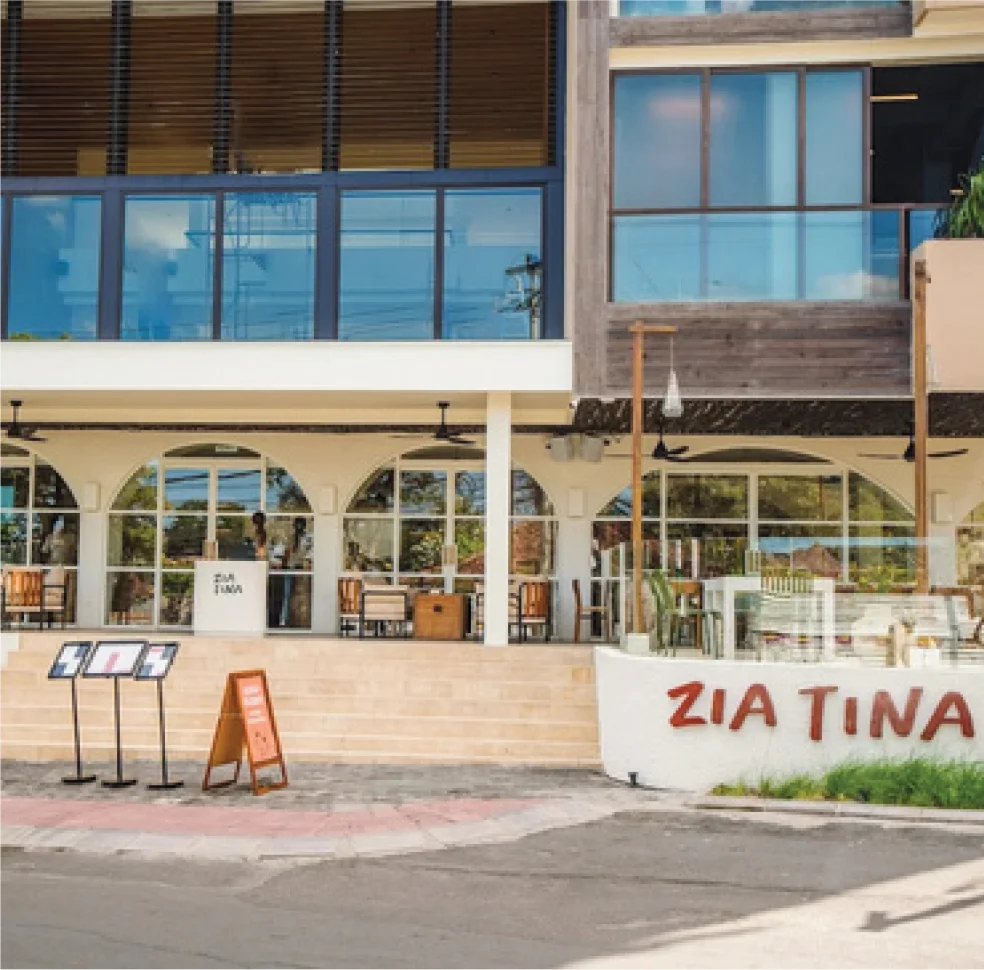
At Zia Tina, food takes center stage, bold, rustic, and unapologetically Italian. The menu is inspired by Puglia’s timeless culinary traditions, with generous antipasti platters of marinated vegetables, creamy burrata, and grilled seafood, followed by hearty homemade pasta, thin crisp pizzas, and signature mains like grilled lamb, octopus, and melanzane alla parmigiana. Save room for dessert, the house-made gelato, tiramisu, and pannacotta are the kind of sweet endings that make the whole meal feel like a warm hug.
MONTHLY LUNCHEON SPEAKERS
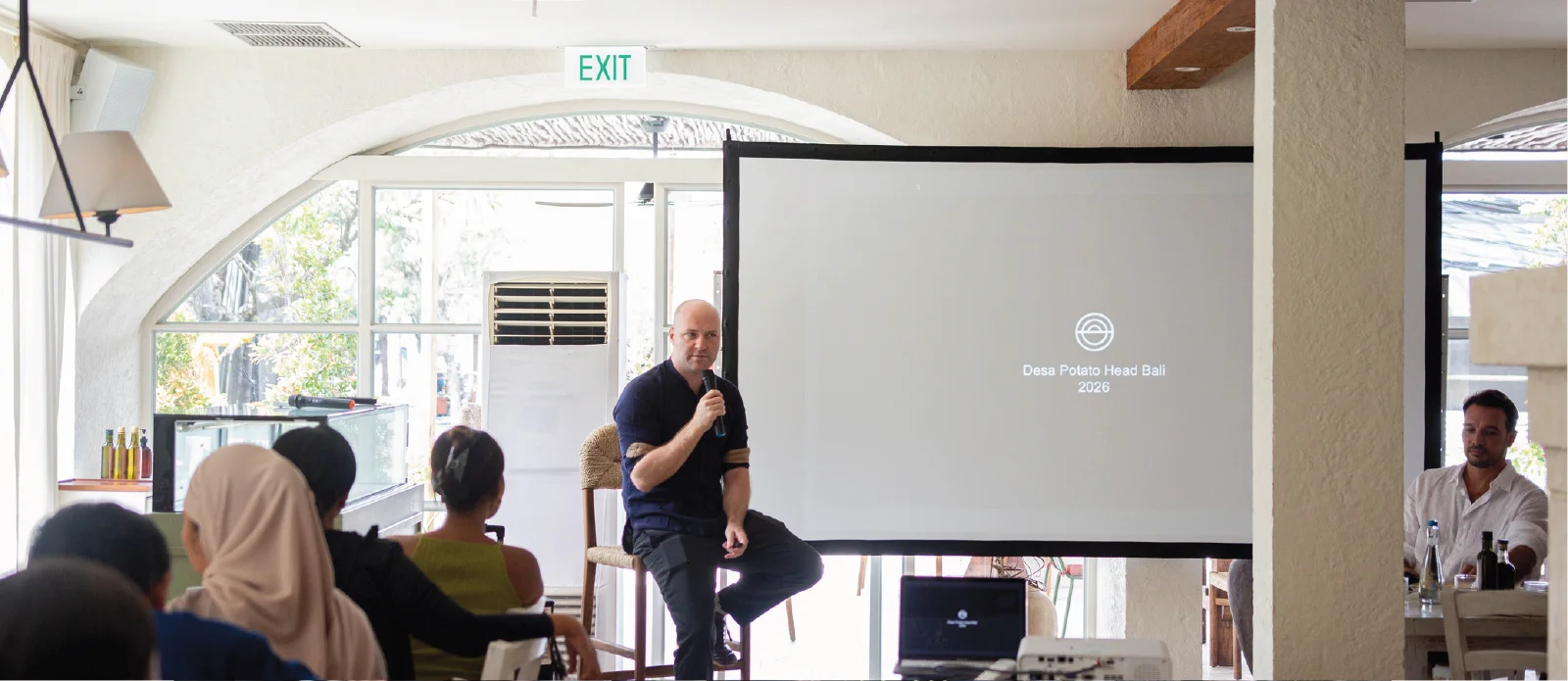
Speaker of the Day: Oliver T.J. –
Culinary Director, Desa Potato Head
“Continually exploring how food systems can do more
than feed people.”
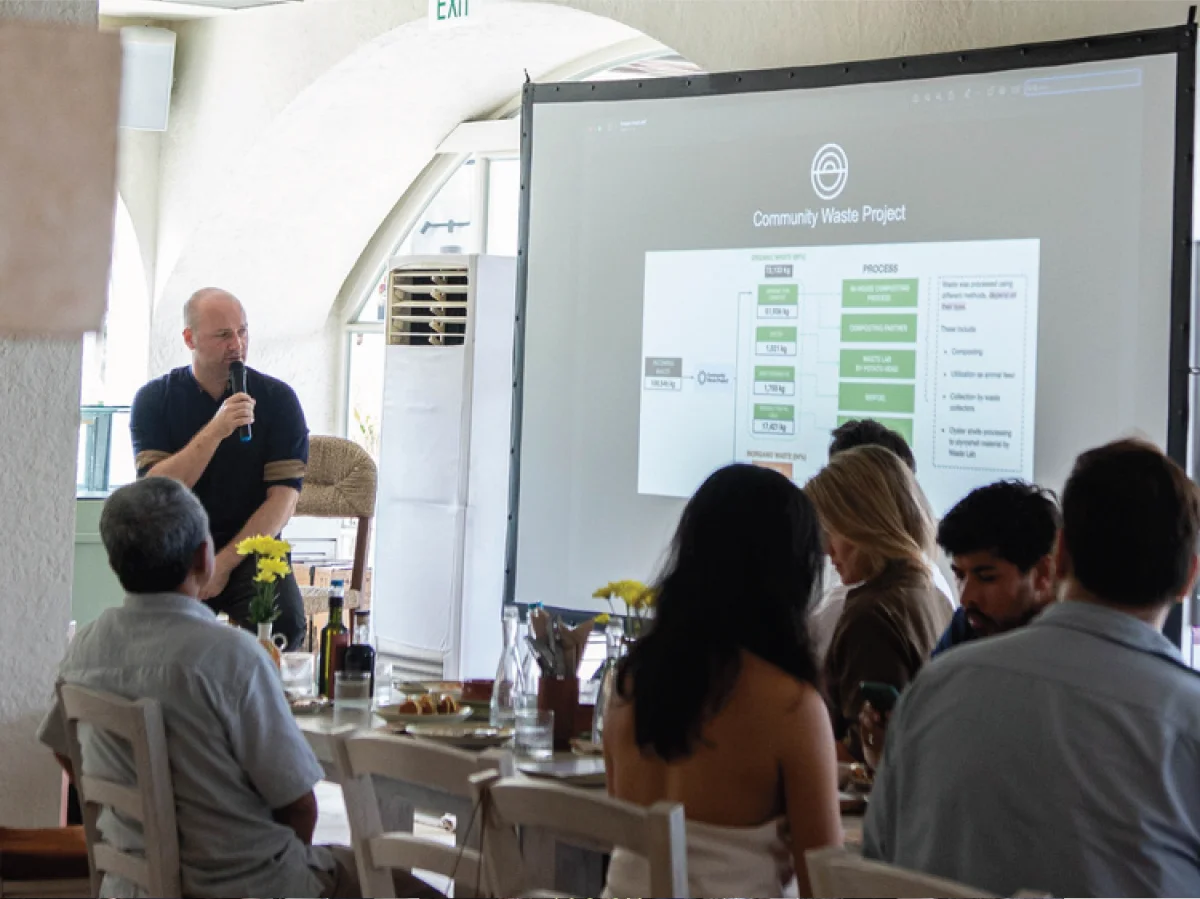
Oliver TJ, Culinary Director of Desa Potato Head, opened the session by walking through the resort’s approach to rethinking food waste in its hospitality operations.
He presented two flagship initiatives that bring this philosophy to life. The first, the Community Waste Project, processed over 108,000 kg of incoming
waste, with the 66% organic share routed into in-house composting, a composting partner, Potato Head’s own Waste Lab, biofuel production, and even pig farmers, while the remaining inorganic waste was sent to
storage and recycling partners.
The second, The Blob, is Desa Potato Head’s organic farming initiative spanning 454 hectares and 535 farmers across Bali, with 80 hectares
already fully organic and another 374 hectares and nearly 400 farmers currently in transition. Together, the two projects illustrated how a
resort can turn everyday waste and farming practices into a visible, community-wide sustainability effort rather than a back-of-house
initiative.
About Oliver Truesdale-Jutras
Oliver Truesdale-Jutras, Director of Culinary at Potato Head, has spent over two decades working at the intersection of food, place, and ecology across North America, Australia, Europe, and Southeast Asia.
He trained under chefs including Robert Clark and Peter Gilmore, co-founded the nomadic dining project Stovetrotter, and helped build one of Singapore’s first urban farm programmes before leading culinary and sustainability work across Spa Esprit Group and Re:Growth, a regenerative hospitality consultancy, advising hotels and restaurants across ASEAN on regenerative food systems. At Potato Head, he focuses on traceability, seasonality, and the resort’s own produce.
MONTHLY LUNCHEON SPEAKERS
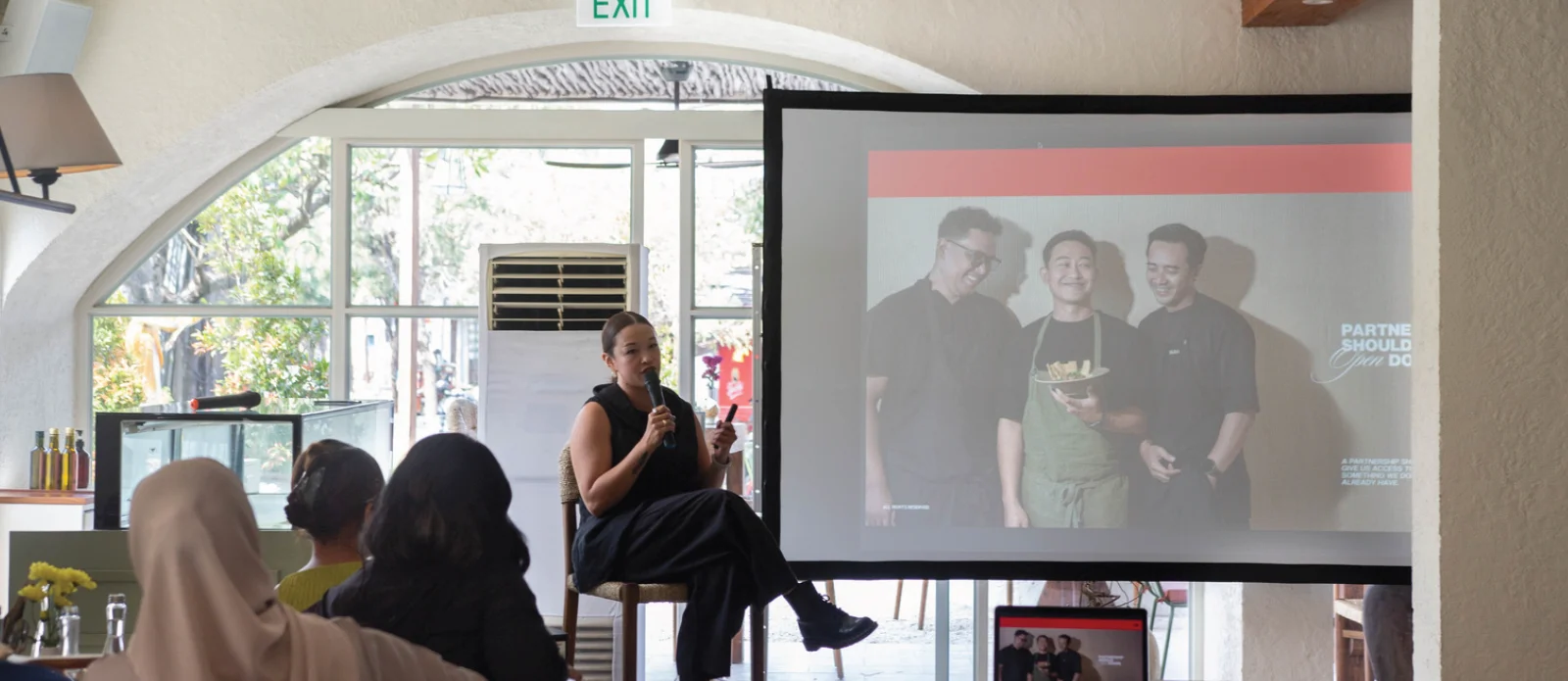
Speaker of the Day: Marisa Tania, Group Director of Sales and Marketing, Flow Haus Project
“Growth isnt about opening another venue; it’s about
strengthening what you already have.”
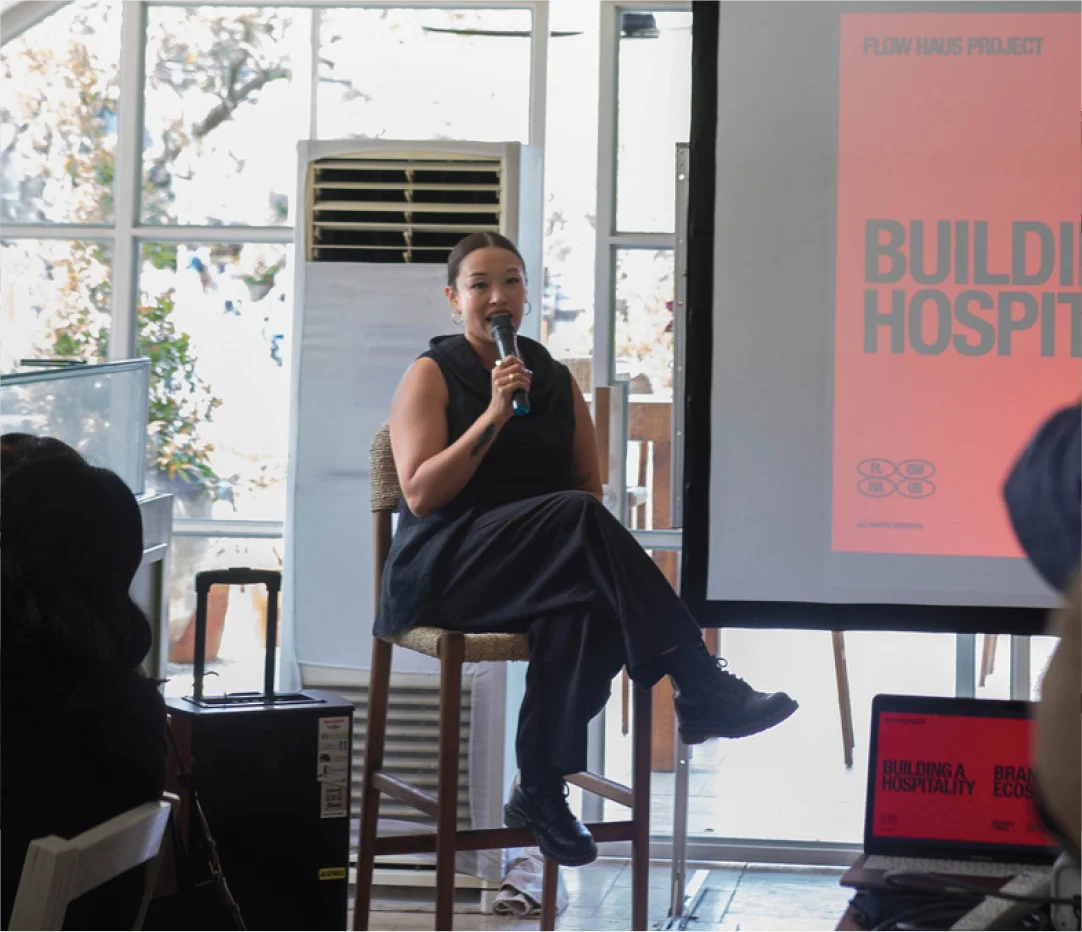
Marisa Tania, Group Director of Sales & Marketing at Flow Haus Project, spoke on building a hospitality brand ecosystem, opening with a reframe: growth isn’t about opening another venue; it’s about strengthening what you already have.
FHP’s brands, Lusa, Muda, Nusa, and Two Face, each serve a different audience, yet operate as one connected ecosystem rather than a loose portfolio. Growth comes down to five levers: reaching more people, giving guests reasons to return, increasing spend, staying relevant, and unlocking new revenue through partnerships.
Her guiding principle on collaborations was audience first, concept second: before any partnership, the team asks who they’re talking to and why they’d come back. Partnerships should open doors to something FHP doesn’t already have, whether traveler access through hotels or new audiences through chefs and brands, and the question is never “what exposure do we get,” but “what opportunity are we creating together.” She closed by tying it to sustainable growth: a clear concept, the right audience, strong brand, and smart partnerships, the throughline being to build an ecosystem, not a portfolio.
About Marisa Tania
Marisa Tania, Group Director of Sales & Marketing at Flow Haus Project, leads the commercial vision and brand growth across FHP’s portfolio, overseeing sales, marketing, partnerships, and revenue growth for Lusa,
Muda, Nusa, and Two Face.
With a background spanning fashion, branding, and creative direction before moving into hospitality, and leadership roles at groups including Ovolo Hotels, Project:Black, and Amici by Enrico Bartolini, she brings a rare blend of creative instinct and commercial discipline.
Her philosophy is that hospitality brands are built through consistency, cultural relevance, and thoughtful execution, ensuring each FHP concept keeps its own distinct identity while contributing to one unified, commercially sustainable ecosystem.
EVENTS & HAPPENINGS
Rethinking Hospitality for Today’s Conscious
Traveller
Tuesday 15th September
Klymax, Desa Potato Head
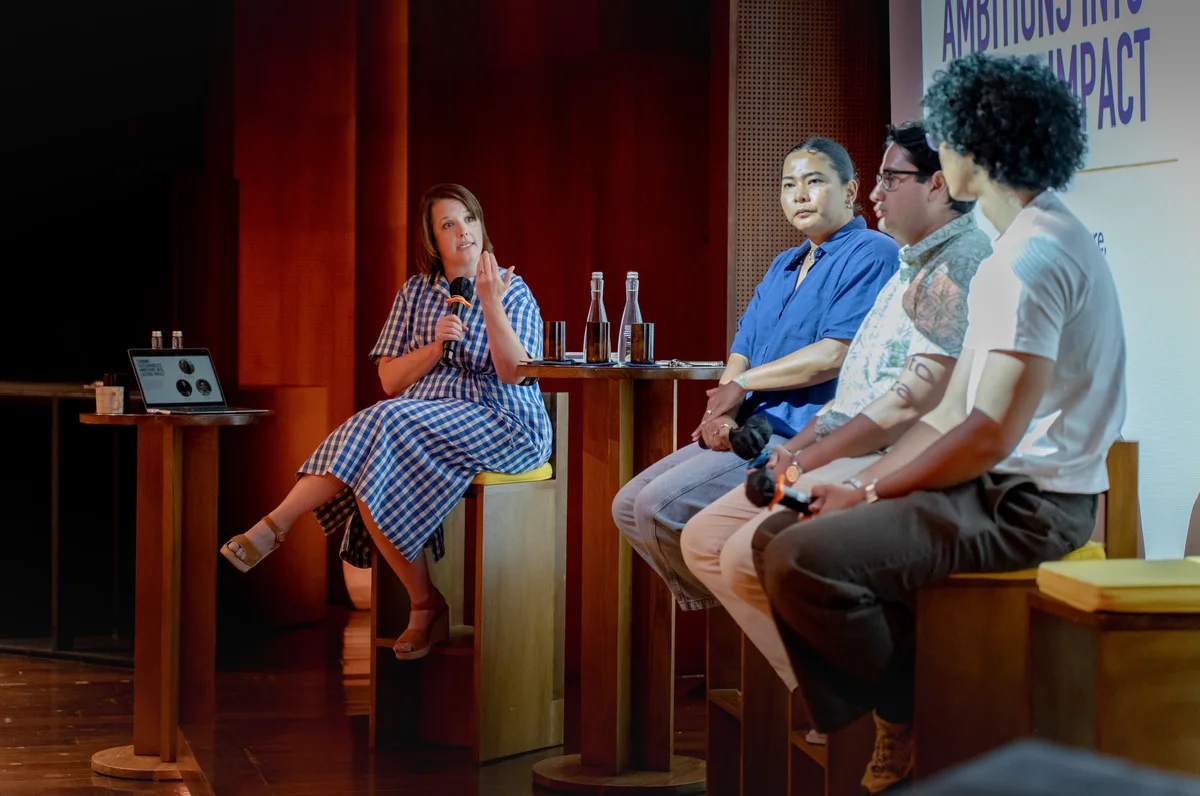
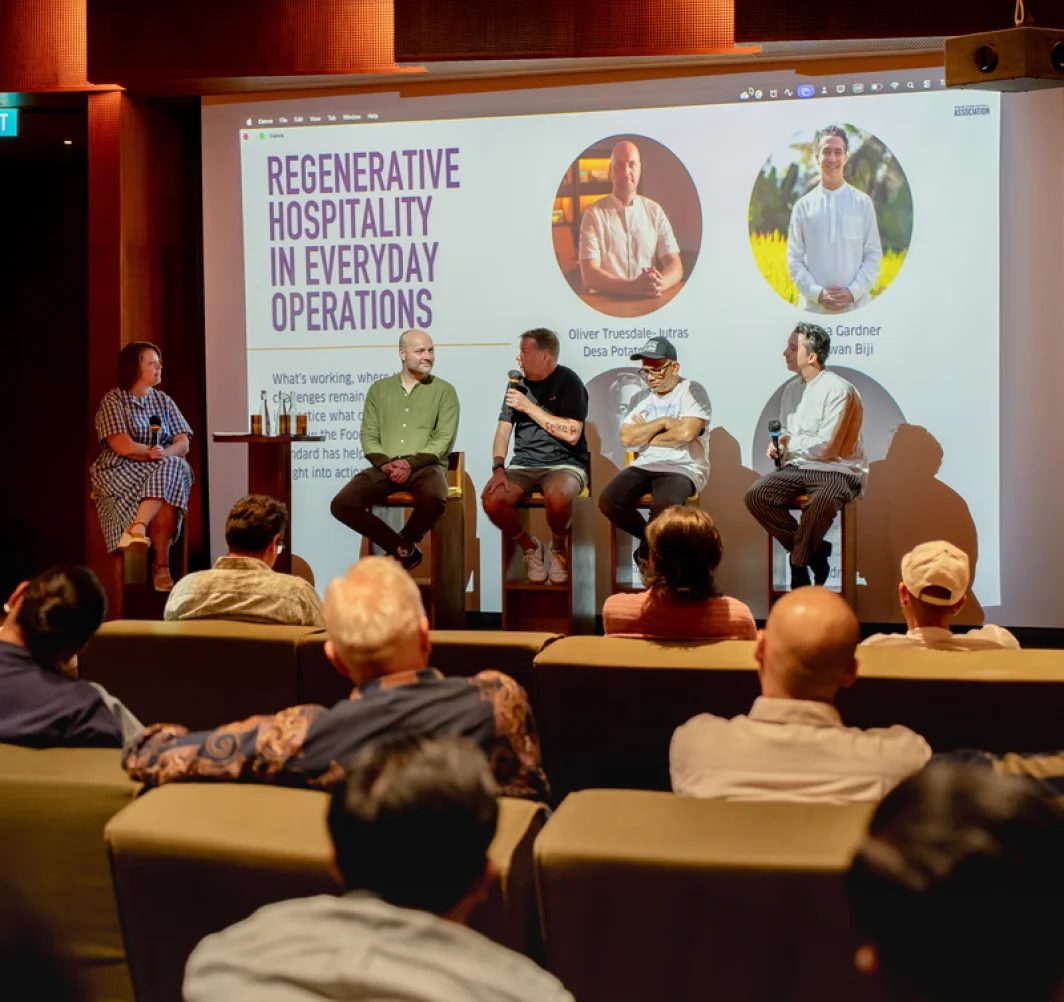
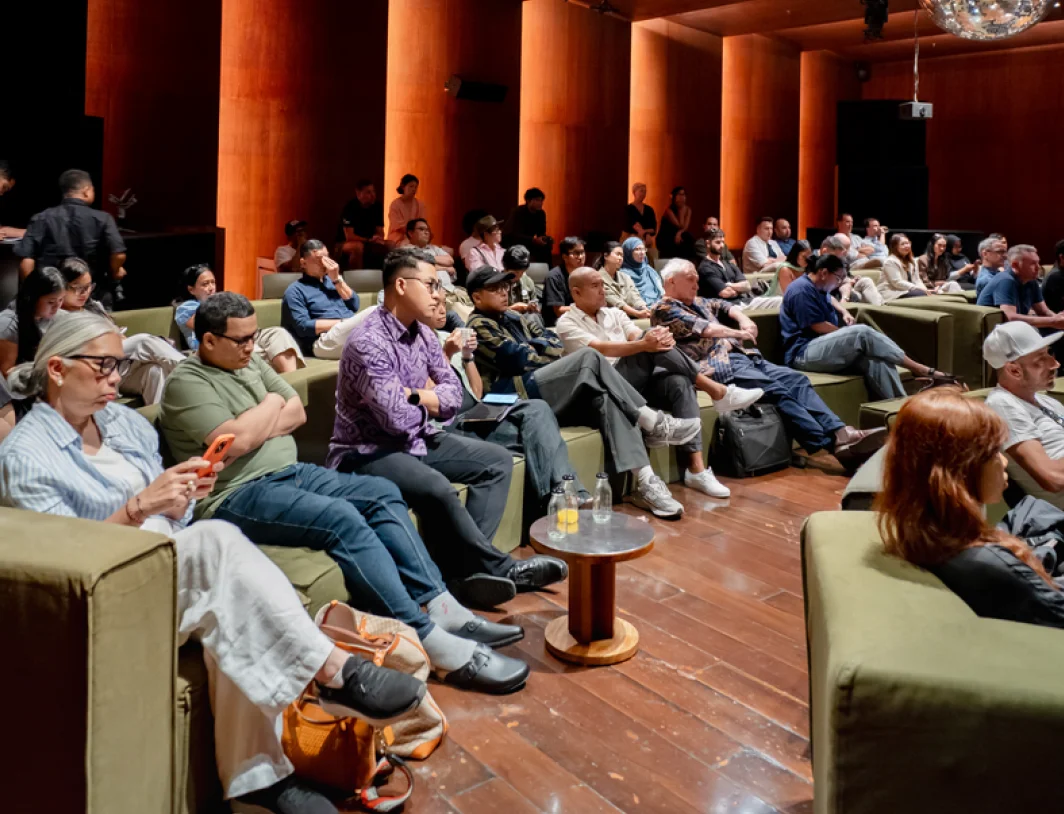
Earlier this month, the Sustainable Restaurant Association invited BRCA members and the wider community to Desa Potato Head for an afternoon of honest conversation. The big question: how can Bali’s hospitality businesses serve a new generation of conscious travellers while looking after the people, culture and natural systems that make this island what it is?
Conversation one: how sustainability shapes the way we work
Oliver Truesdale-Jutras from Potato Head, Joshua Gardner from Begawan Biji, and Eelke Plasmeijer and Ray Adriansyah from Locavore NXT talked openly about what sustainability looks like in daily operations, wins and
struggles included.
Conversation two: certification and what comes after it
Maitri Fischer (Eco-Mantra), Rahmi Fajar Harini (Eco Tourism Bali and BRCA Board Member) and Dito Prahadi (Locavore NXT) looked at certification as a way to show the work a business is actually doing. The takeaway was practical. Frameworks help you structure your thinking and point you in the right direction, but they only count once they turn into action on the ground. And the timing matters. If we keep looking the other way, Bali will run into a wall, whether it’s waste piling up or energy running short. The time to move is now.
This is exactly the kind of gathering we want to back: people from across the industry in one room, swapping experiences and opening up the hard topics. Sharing knowledge like this is at the heart of BRCA. Thank you to the Sustainable Restaurant Association and Desa Potato Head for having us.
EVENTS & HAPPENINGS
2026 Bali Good Food Month
By Bali Restaurant and Cafe Association
A Great Island-Wide Culinary Collaboration
22 October – 14 November 2026
This October and November, Baliʼs food and hospitality community comes together for something a little different.

Organized by the Bali Restaurant & Café Association (BRCA), Bali Good Food Month 2026 will bring 24 days of good food, collaboration and experiences across Bali, from 22 October to 14 November 2026.
Restaurants and cafés from across the island will come together to create a series of special events, from chef collaboration dinners and day events to experiences that take you beyond the dining table.
Expect wine tours, coffee plantation visits, a trek through Karangasem followed by a traditional megibung feast overlooking Mount Agung, Balinese cooking classes, and plenty of other collaborations created especially for the month.
The idea is simple: bring people together around good food, while celebrating the people, places, ingredients and stories that make Baliʼs food
scene so interesting.
The month will culminate on 14 November with a food and music festival, bringing together live bands, food and drink booths, and the Bali food
community for one final celebration.
The highlight of the day will be the official launch of the BRCA Bali Good Food Guide, a new platform celebrating the restaurants, chefs, cafés,
bars and culinary talent shaping Baliʼs food scene today.
24 days. One island. Plenty of good food, good people and good reasons to explore Bali
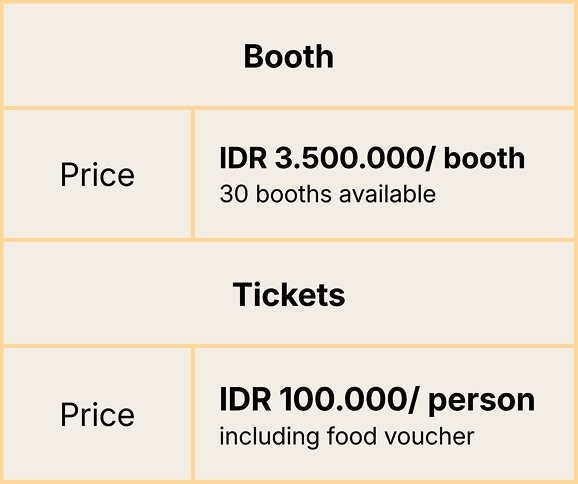
Were inviting our members to join the festival with a food or beverage booth and put your venue in front of a wider crowd. Itʼs a great opportunity to showcase what you do, meet fellow members and be part of the final celebration.
Interested in joining us with a booth? Get in touch with the BRCA team.
Tickets:
https://megatix.co.id/events/bali-good-food-month
Food & Music Festival: The Collective Wrap
Well bring Bali Good Food Month to a close with a day of food, music and community at Suwarga Garden, Mövenpick Resort & Spa Jimbaran.
Expect a relaxed gathering with food and drink from Bali favourites, live music, and hands-on workshops throughout the day.
The big moment for BRCA? The official launch of the Bali Good Food Guide, our new online guide celebrating the people and places shaping Baliʼs food scene.
Come for the food, stay for the music, and celebrate the month with us.
Suwarga Garden at Mövenpick Resort & Spa Jimbaran
November 14, 2026
15.00 – 22.00

OUR SPONSORS
Good Things Happen When We Do Them Together
A Note to Our Sponsors & Partners
A lot happens behind the scenes before we sit down for a BRCA lunch, raise a glass together, or gather around a table for a good conversation. This month, once again, we had a group of partners helping make those moments happen.
Hatten Wines, Bir Bintang, Aqua Reflection, Island Brewing, Sukanda Djaya, and Honest Crab brought the food and drinks that helped make our gatherings feel like gatherings. Gaia Digital Agency and NOW! Bali helped us share the stories and keep the wider community connected to what is happening within BRCA.
And behind the scenes, Global Extreme, Restomart, Multifortuna Sinardelta, Kantika Media, and Frisian Flag continued to support the work and the community we are building together.
For us, partnership is not simply about putting a logo on an event. It is about showing up, contributing something useful, and helping create spaces where Bali’s F&B community can meet, exchange ideas, and build relationships.
Thank you for continuing to show up with us. We don’t take that support for granted, and we look forward to creating more together.
SUSTAINABILITY CORNER
Sustainability Communications
How Much Should We Say About Sustainability?
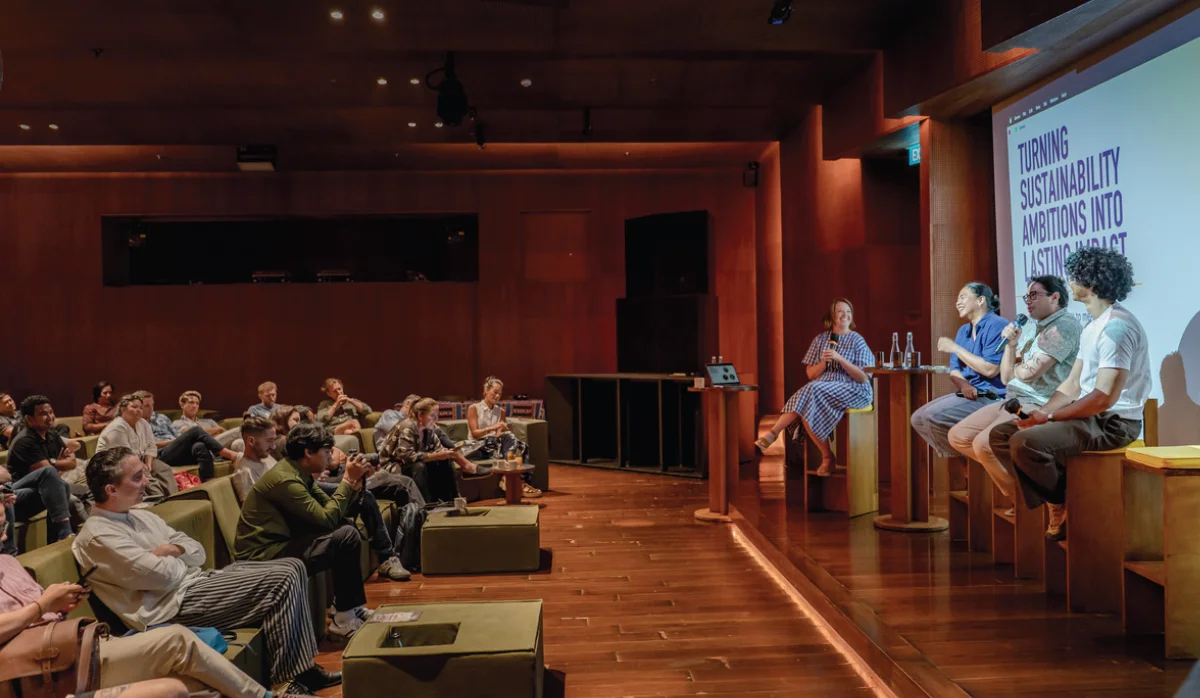
Sustainability has been a big part of our community conversations lately. At our luncheon at Zia Tina, Oliver TJ, Culinary Director of Desa Potato Head, shared how the resort approaches food waste. A week later, the Sustainable Restaurant Association (SRA) held an event at Desa Potato Head, with panelists including Oliver TJ, Eelke and Ray from Locavore, and our own board member, Rahmi Fajar Harini of Eco Tourism Bali.
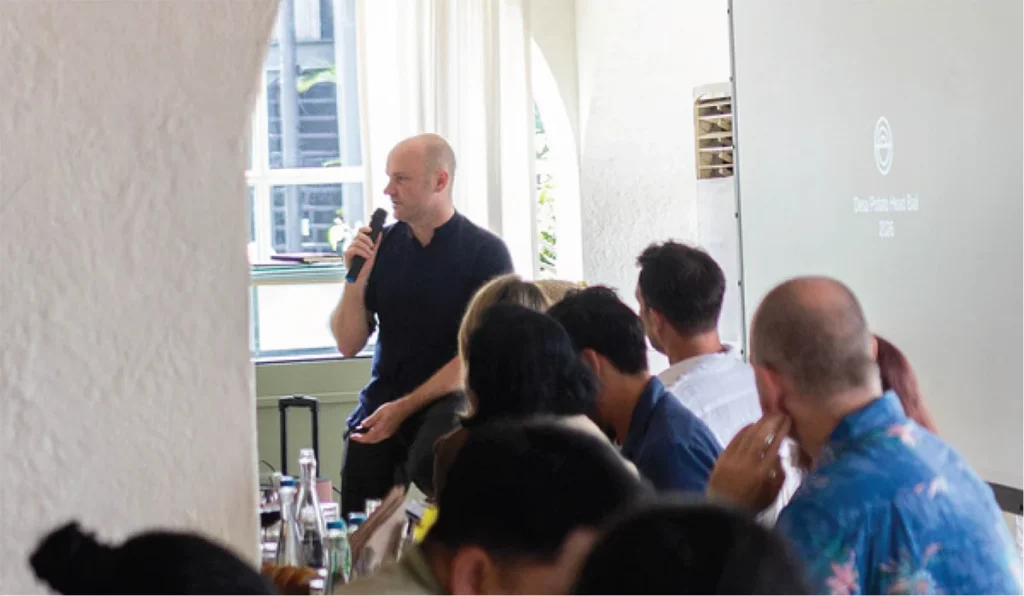
Sustainability is always a hot topic for hotels and restaurants in Bali, but one question stayed with us afterwards: how should we, as businesses in Bali, talk about our sustainability practices?
With greenwashing in the spotlight, many operators are asking whether it is safer to just stop talking about sustainability. It is an understandable instinct, but silence has a cost. It can look like indifference, and it does nothing to move the industry forward. Sustainability work in hospitality is hard and never finished, so real progress deserves to be shared. The trick is doing it properly.
There is also a new reason to be careful. The EU’s Empowering Consumers for the Green Transition Directive (ECGT, or “EmpCo”) took effect on 27 September 2026. It targets vague or misleading environmental claims, and it applies to any business marketing to EU consumers, wherever it is based.
As General Manager Jan Kroeckel put it: “Our goal has always been to provide stays that feel warm, memorable, and sincere. Achieving Green Globe certification is a meaningful milestone that reflects our commitment to the island, its culture, and its future.”
If you promote your hotel, villa or venue to European guests, it may apply to you. And since EU rules tend to set the pace globally, these standards are likely to spread.
So how do we talk about it well?
1. Cut the vague words. Drop green, eco-friendly” and “carbon-neutral” unless you can prove them. Check your website, menus, social media, signage and packaging.
2. Keep the proof. Back every claim with real numbers, such as waste diverted, energy saved or the share of local produce.
3. Use credible labels only. Badges should come from independent schemes with public criteria not ones you made yourself.
4. .Claim only what is true across the board. If just one outlet or one part of the business does it say so.
5. Tell a story, and share the journey. Pick one thing you are proud of and explain it simply. Sustainability is never finished, so be open about the challenges too. Honesty about where you are makes your story more real,
and people trust and support businesses that are upfront.
And in Bali it also means:
- Talking about local impact: your community, your Balinese team and Tri Hita Karana.
- Naming your local partners for waste, composting and recycling, so guests know where it really goes.
- Keeping the guest experience first, so guests can simply enjoy their time.
Sharing what you do is fine. Say it with proof, be honest about the journey, and let the guests enjoy themselves.
THE F&B LOOP
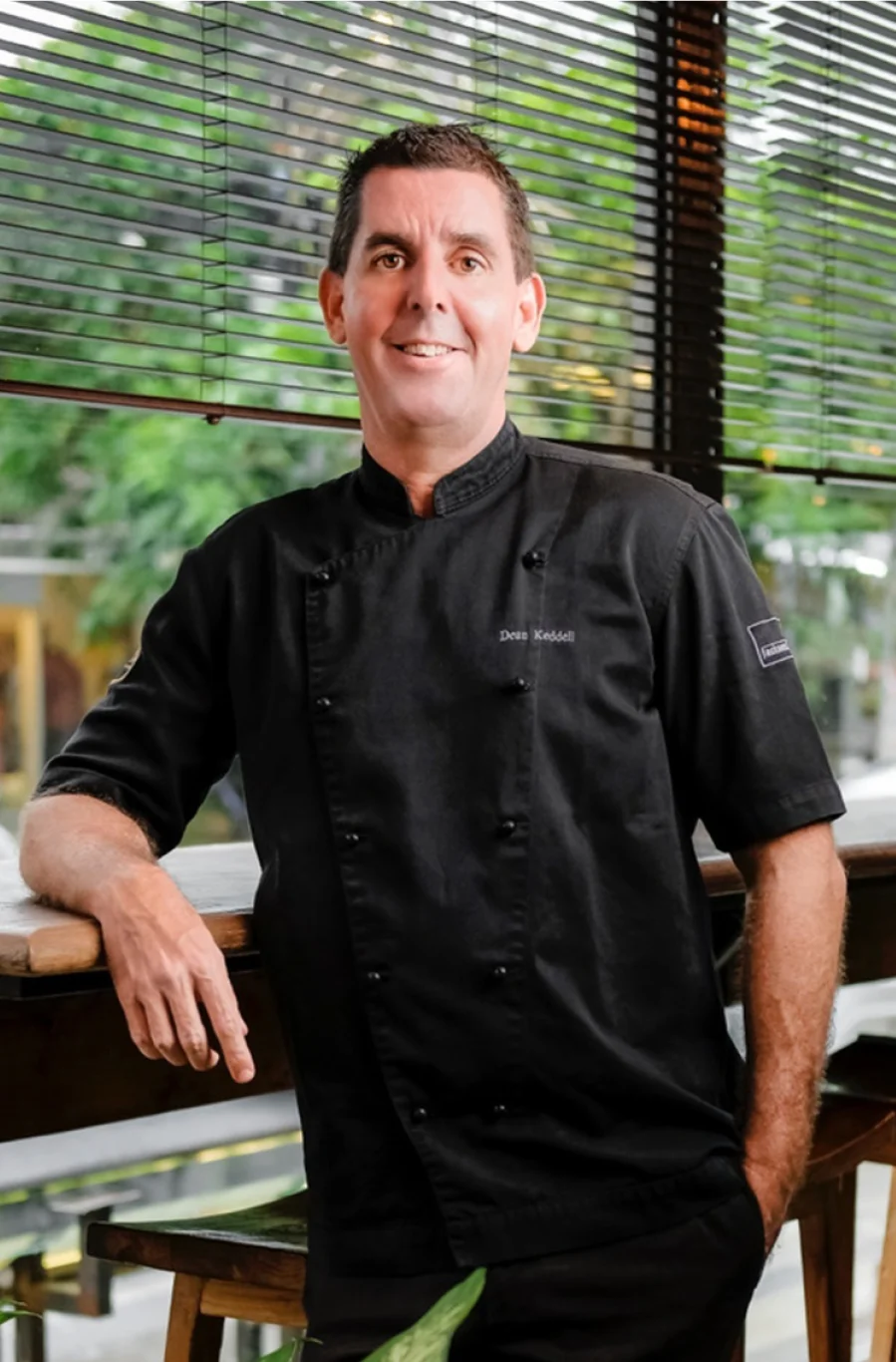
Chef Interview: Dean Keddell
The Person Behind Seminyakʼs Iconic Ginger Moon
“You don’t choose Bali; Bali chooses you.” It’s a saying often repeated on the island — that if your energy and life path align with Bali’s spiritual and cultural rhythm, the island welcomes you in and lets you stay
Thats exactly what happened to Chef Dean Keddell, a New Zealand-born chef who first arrived in Bali to work at the legendary Gado Gado, and later returned by invitation to join a team of industry leaders at the Ritz-Carlton Bali.
Somewhere along that path, Bali stopped being a stopover and became home — he built a family here, and went on to build three successful restaurants under the Ginger Moon Group: Ginger Moon
Canteen, TEMPLE by Ginger Moon, and Jackson Lily’s – THE LOKAL. The island has also opened doors to other callings — as a writer, he authored a cookbook whose proceeds go to charity, and as a founder, he helped establish BRCA, an F&B industry association.
QUESTION 01
“What first brought you to Bali, and what made you decide to build your career and businesses here? “
I was part of the opening team at Hotel Imperial, a Sheraton property in Malaysia. Whilst living in Kuala Lumpa, I saw an advertisement for a General Manager/Chef to relaunch one of Baliʼs most famous
restaurants, Gado Gado. Having holidayed on the island several times, Baliʼs pull—even back in 2001—was irresistible. I left Bali about a year later, but in 2006 I was invited back to join the team at the original
RitzCarlton Bali Resort in Jimbaran. Iʼve called Bali home ever since.
QUESTION 02
“Ginger Moon has been part of Bali’s dining landscape since 2012. What has stayed true to the original vision, and what has changed? “
“Bali on a plateˮ has always been our driving philosophy, and it remains at the heart of what we do today. My team and I are incredibly proud to
share OUR Bali with everyone who walks through our doors. Over the years, weʼve become experts in our field — which, when you get right down to it, is the business of creating fond memories.
What has changed since the beginning? Our desire to nurture and protect every aspect of this island paradise has grown even stronger. The
number of guests who visit us has increased enormously, and, of course, weʼre all feeling just a little older!
QUESTION 03
“What makes the Ginger Moon Group unique in Bali’s dining landscape? Across Ginger Moon Canteen, TEMPLE by Ginger Moon, and Jackson Lily’s – THE LOKAL, what are the signature dishes you’d want every guest to try? “
We are community-focused, always. I understood early on that if I wanted to help others, I first needed to build a successful business. The stronger we are together, the more we can give back and the greater good we can do. What does community have to do with a successful business?
Everything. Each of our venues has its own identity, but they are all rooted in the community and in creating experiences that people want to return to.
At Ginger Moon Canteen, the menu has become something of a staple. Attempts to change it can result in some very disappointed regulars and cries of, “Bring back my favourite dish!ˮ So rather than constantly reinventing the menu, we work behind the scenes to refine recipes,
improve ingredients and continually raise the quality. The Bucket List Banquet remains the go-to signature.
Jackson Lilys is more dynamic, with menus that evolve regularly. Two
signatures have become firm favourites: the Famous 989 BBQ Combo and Satay Mad, both served on one-metre boards and designed to be shared.
TEMPLE is perhaps the most Bali-centric of them all. Set in an open-air temple garden, with the aroma of satay cooking over coffee and rambutan wood drifting through the space, it is an experience that
feels deeply connected to Bali.
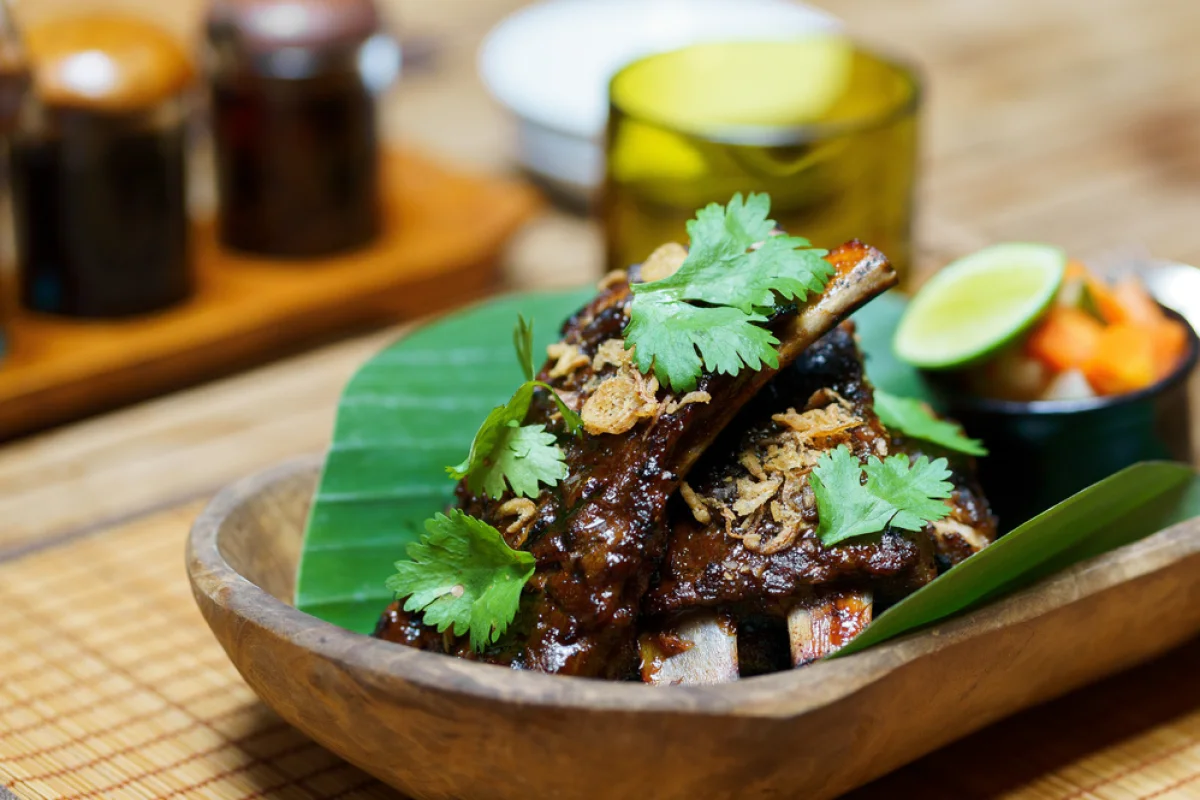
At Ginger Moon, our signatures are the half-moon steamed buns and dumplings, both heavily influenced by the flavours and ingredients of Indonesia.
Different venues, different personalities, but the same underlying philosophy: give people something they love, create a place they want to return to, and build businesses that contribute to the communities around them.
QUESTION 04
“You’ve developed several concepts over the years. What have you learned about creating a restaurant concept that has its own identity while still belonging to a wider group?“”
Genuine care for our guests, great food, purposeful surroundings and a strong sense of place are the cornerstones of Ginger Moon. Our treasured guests appreciate that each of our three restaurants has its own
distinct personality and concept, and happily move between them depending on the occasion. Of course, everyone eventually develops a favourite — and weʼre more than happy for them to do so. We love the
passion, connection and loyalty our guests have for the restaurants, and itʼs something we never take for granted.
QUESTION 05
“Bali’s F&B landscape has changed enormously. What do you think today’s guests are looking for that they weren’t looking for 10 or 15 years ago”
For better or worse, Bali is now firmly on the world stage. The global call for a more sustainable future, and for the preservation of culture, tradition and community, has never been louder. Nor, perhaps, has the desire for peace, harmony and a more meaningful way to travel. I hope, for the sake
of Bali and its communities, that this is what todayʼs travellers are looking for. Because, as we all know, demand ultimately drives supply. The choices visitors make — where they stay, what they eat, who they support and how they experience the island — will play an important role in shaping Baliʼs future.
QUESTION 06
“How do you think restaurants can embrace local ingredients, culture and
sustainability in a way that is genuine rather than simply part of the marketing?”
This is about community. And perhaps the first question we need to ask is: why are you operating a business in Bali?
Buying local is one of the simplest and most effective ways to become more sustainable. Local produce and ingredients are getting better all the time, and there are some truly beautiful products available to chefs today. Every chef has a role to play in improving the quality and availability of
these products. By nurturing and encouraging our suppliers, supporting
farmers and working with local innovators, we are not only improving what we put on the plate, but we are also supporting the wider communities behind it
THE F&B LOOP
Then there is culture. Culture is identity. If culture is allowed to slip, if customs are forgotten and traditions disappear, Bali will inevitably become something different.
Some would argue that this change is already happening. Bali means different things to different people, but at its heart are the Balinese people, their traditions and their customs. These are a fundamental part of what has made Bali such a successful destination. As business owners, we cannot simply stand by and allow the success of Bali to ultimately
become part of its destruction.
The word sustainability has almost become a dirty word. Perhaps it is better to think of it simply as doing the right thing. I believe most people want to do the right thing. But good intentions alone are not enough.
Some businesses and individuals will lead the way voluntarily, but most will need the right infrastructure, systems and legislation to make meaningful change possible.
Ultimately, it is in everyones interest to protect and present a Bali that is clean, healthy, culturally rich and authentic to the world. Because if we don’t protect what makes Bali special, what exactly are we building a business here for?
QUESTION 07
“What have you learned about building and retaining good hospitality teams over the years? “
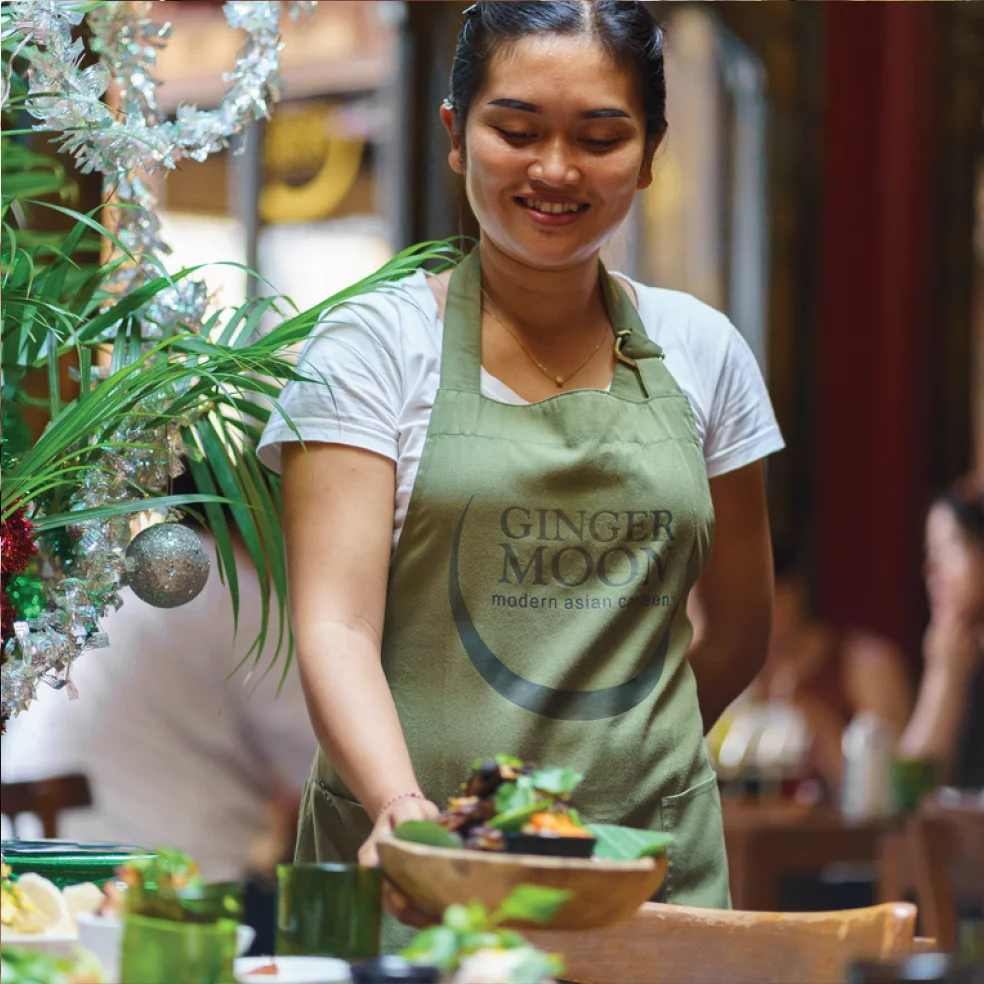
We have something very special. I have been a hospitality professional for 40 years, and today I am incredibly proud to call my team family. Many of them have been with me for years, but longevity never means standing
still. I make sure we are always challenged, always learning, and always growing. We never stand still. Ever. Of course, guests return for the food and drink, but I believe service is the most important part of what we
do. Our guests return for us. They want to see our team. They ask about our families, our lives, and how much our children have grown. Over the years, those relationships become genuine friendships. That is what hospitality should be about.
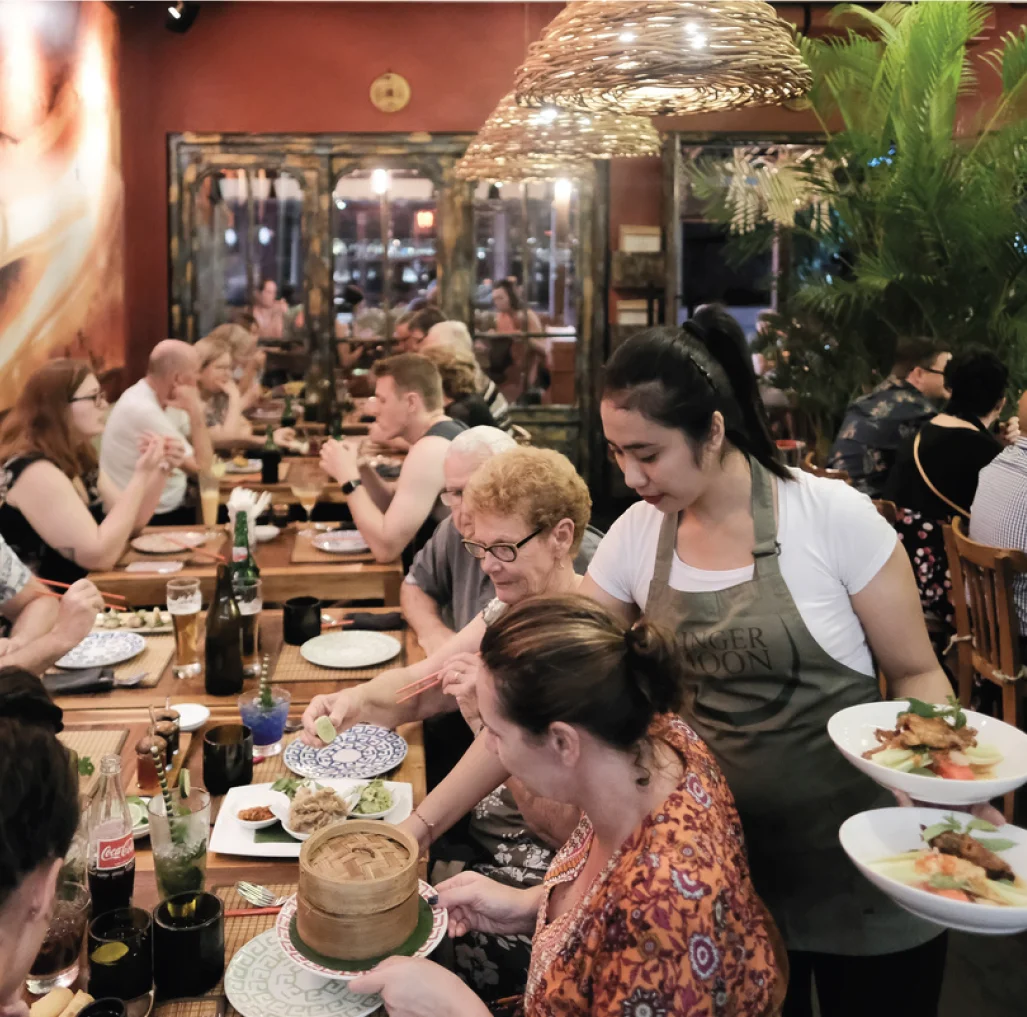
Together, my team has developed a real sense of purpose, meaning, and connection. We genuinely care about our guests, and that care is something you cannot teach from a manual or manufacture through a training program. It comes from people who care about what they do, care about each other, and genuinely care about the people who
walk through our doors. That is our hospitality. And I believe that is what makes it special.
THE F&B LOOP
QUESTION 08
“You were one of the founders of BRCA. What did you feel was missing in Bali’s F&B community when BRCA began, and what do you think a strong industry association can contribute today?ˮ
The purpose of the association is simple: to promote Bali as a world-class culinary destination. People travel the globe to eat.
Food has become a major driver of tourism, yet for many years Bali was little more than a blip on the global foodie radar.
Understanding why this was the case revealed a unique and complex set of challenges — and opportunities. Improving the sustainability of our industry is another key driver for the BRCA. We have a responsibility to look beyond the immediate success of our businesses and consider the future of Bali, its environment, its people and its culture. Just as importantly, we wanted to bring Baliʼs hospitality industry together and give it a united voice. The challenges facing our industry are immense, and it makes little sense for individual businesses to try to tackle them alone. The collective knowledge within the BRCA — our members, partners, sponsors and supporters — is extraordinary.
What we needed was a platform to bring that knowledge together, share it and turn it into meaningful action.
Today, positive stories from Bali are more important than ever. Our association and its members are doing incredible things every day —
supporting local producers, championing Balinese talent, improving sustainability, creating employment and delivering exceptional hospitality.
Our role is to help tell those stories and share them with the world. Bali has so much more to offer than a beautiful holiday. It has a culinary story worth telling.
QUESTION 09
“Your cookbook has received international recognition. How did the book come together, and how did it feel to see it win an award?ˮ
When I closed Ginger Moon Canteen and Jackson Lilyʼs in March 2020, my biggest concern was how I could support my staff of 130. In my mind, I had no choice but to help; driven by necessity, I penned a creative, one-
of-a-kind community cookbook from Bali together with my teams, filled with cultural and personal stories as well as recipes passed down through the generations. This vibrant hardcover cookbook shares not only the
islandʼs cuisine through its pages, but the very heart and soul of the people of Bali. The idea was in its essence, simple: if people couldnʼt come to Bali, then I was going to bring Bali to them! Today, my book is providing a way for people to take a very special piece of Bali home with them! 100% of the profits from the bookʼs sales are donated to those battling poverty. I provide this support by donating funds to five of Baliʼs most productive and worthwhile charitable foundations.
The Gourmand Book Awards are the worldʼs most prestigious book awards and are compared to the “Oscarsˮ for film. “There is approximately 1% chance to be selected on this Gourmand Awards list!ˮ – Gourmand Awards. At the 27th Gourmand Book Awards, held in Umea, Sweden in June 2022, Our Bali Your Bali received accolades in the categories The Best of the Best 2022 (Best in the World) as well as The Best Fundraising Cookbook 2022. The 29th Gourmand Book Awards again recognized Our Bali Your Bali – Bali Kita Bali Kamu as one of the worldʼs most important cookbooks. Held
in Riyadh, Saudi Arabia, in November 2023, Our Bali Your Bali was awarded The Best Fundraising Book in the World 2023.
THE F&B LOOP
QUESTION 06
“Let’s talk about the rising success of Bali’s restaurant scene. As Bali’s dining scene expands right now, how might that shift affect local family farms and producers? Where do you see the main disconnect between what restaurants expect and what farms can actually deliver, and how do we bridge that gap?”
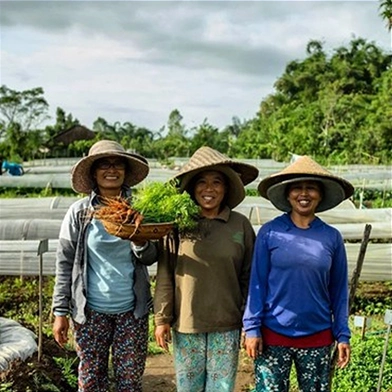
It’s important to understand the context behind “local family farms.” In Bali, most agricultural businesses are family-based, with a very different structure from commercial farms.
QUESTION 07
“Finally, agriculture in Bali is facing a massive generational crisis—young people are moving toward hospitality, farmers are getting older, and farmland is being sold off. In the long run, this directly threatens our F&B industry. How can we make agropreneurship attractive and financially secure for the next generation, so Bali doesn’t lose its farming foundation?”
The first step is changing the image of farming itself. Farming has to become something people aspire to – not something they feel they have to do because they have no other option. In other words, farming has to become “sexy.” Interestingly, we’re already starting to see that shift, especially among expatriates and people who’ve been exposed to agricultural systems in Europe, Australia, or North America. They often see farming as innovative, entrepreneurial, and closely connected to sustainability and food culture. The challenge is that many young Indonesians simply don’t have the same exposure.
At Island Organics Bali, we manage farming to be creative, knowledge-driven, and commercially viable; on top of that, we’re also realistic. We’re a civil-owned entity – we’re not policymakers. We don’t create regulations, subsidies, or national agricultural programs. Many organisations, NGOs, and initiatives are helping to move things forward, but without supportive policies, these efforts can only go so far.
BALI TOURISM & HOSPITALITY
Bali Tourism Snapshot
July 2026
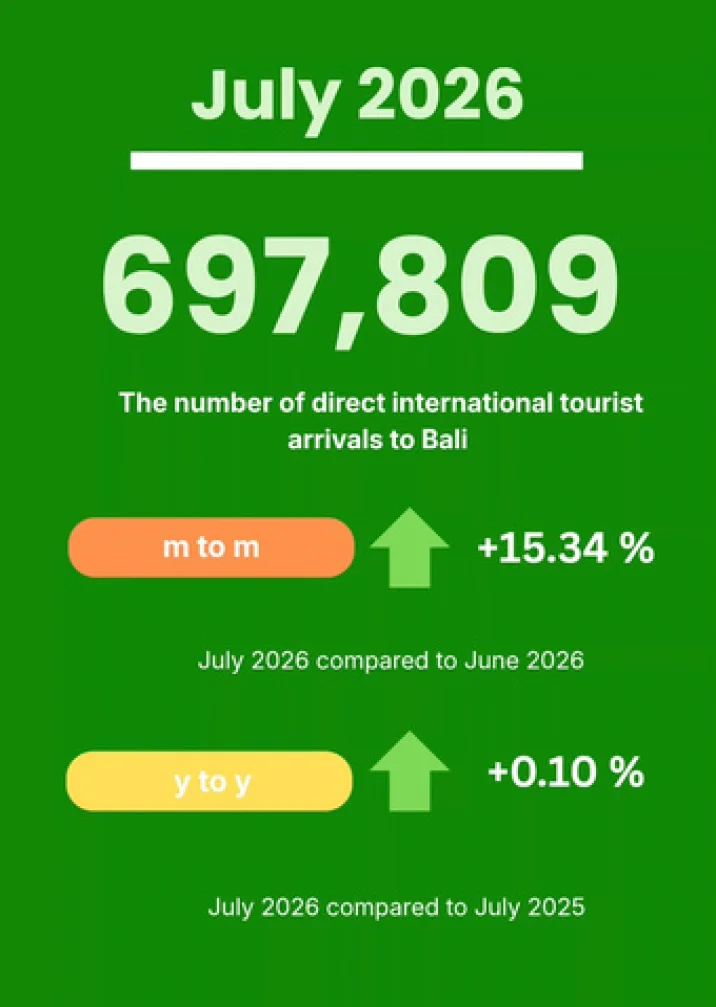
Foreign tourist arrivals directly to Bali reached 697,809 visits in July 2026, marking a 15.34% increase compared to the previous month and 0.10% increase compared to July 2025.
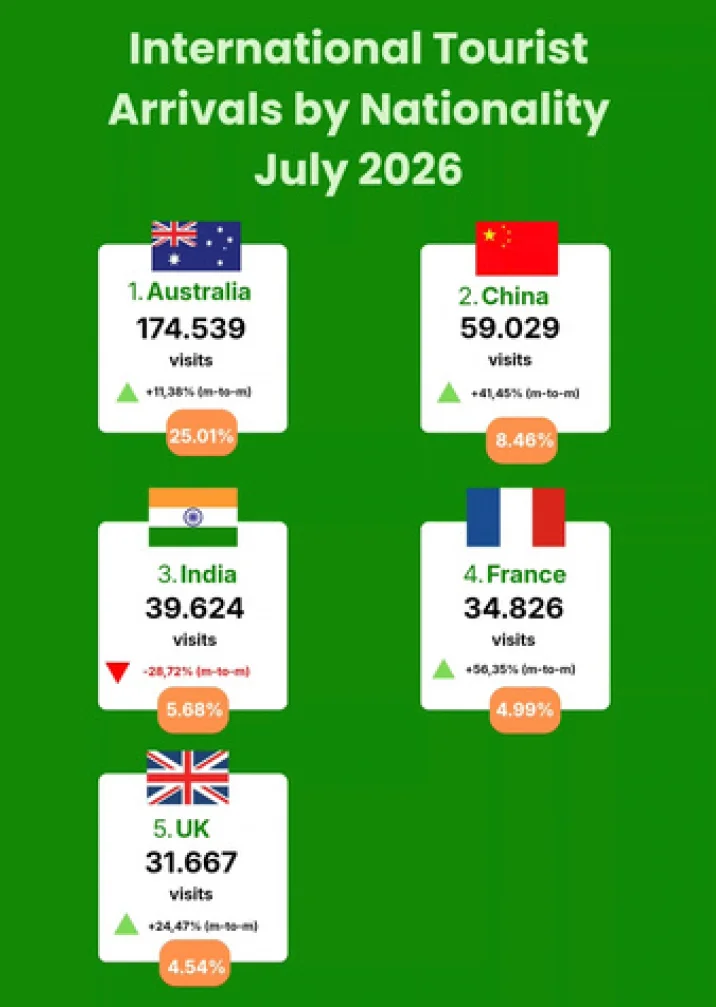
Australian tourists led in July 2026 with a 25.01% share, up 6.10% year on year. China, India, France and the UK rounded out the top five, with China with 41.45 % growth in the second place while India dip -28,72% in third place. Among the top 10 sources of international tourist arrivals, visitors holding Dutch passports recorded the highest increase, at 169.94 % (month-to-month). Arrivals from Europe rose 47.12 % in July 2026, led by Dutch and French visitors.
Room occupancy kept climbing through the first half of 2026. June 2026 came in at 64.87%, slightly up from 64.66% in June 2025, and a 3.71 percentage-point jump from May 2026’s 61.16%.
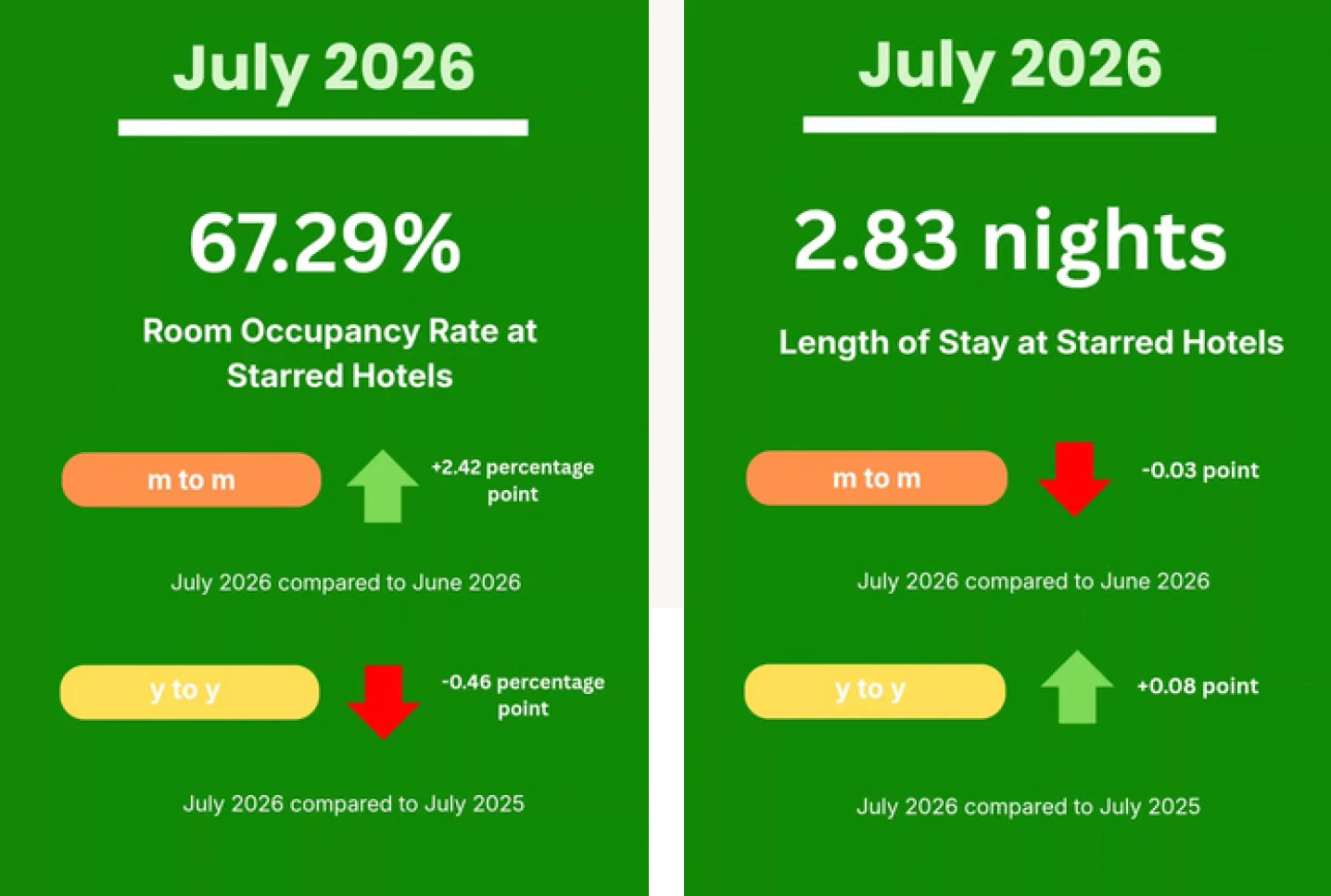
Balis star-rated hotels were fuller in July 2026, with room occupancy at 67.29%, up 2.42 percentage points from 64.87% in June. Four-star hotels saw the biggest jump, gaining 4.47 percentage points.
Compared with July 2025 (67.75%), occupancy in July 2026 was down 0.46
percentage points year on year.
Guests stayed an average of 2.83 nights in Bali’s star-rated hotels in July 2026, slightly down from 2.86 nights in June but up 0.08 nights from July last year. Foreign guests stayed longer than Indonesian guests, at
2.99 nights versus 2.49.
From January to July 2026, Bali received 3,900,965 direct international arrivals, down 1.98% from the same period last year.
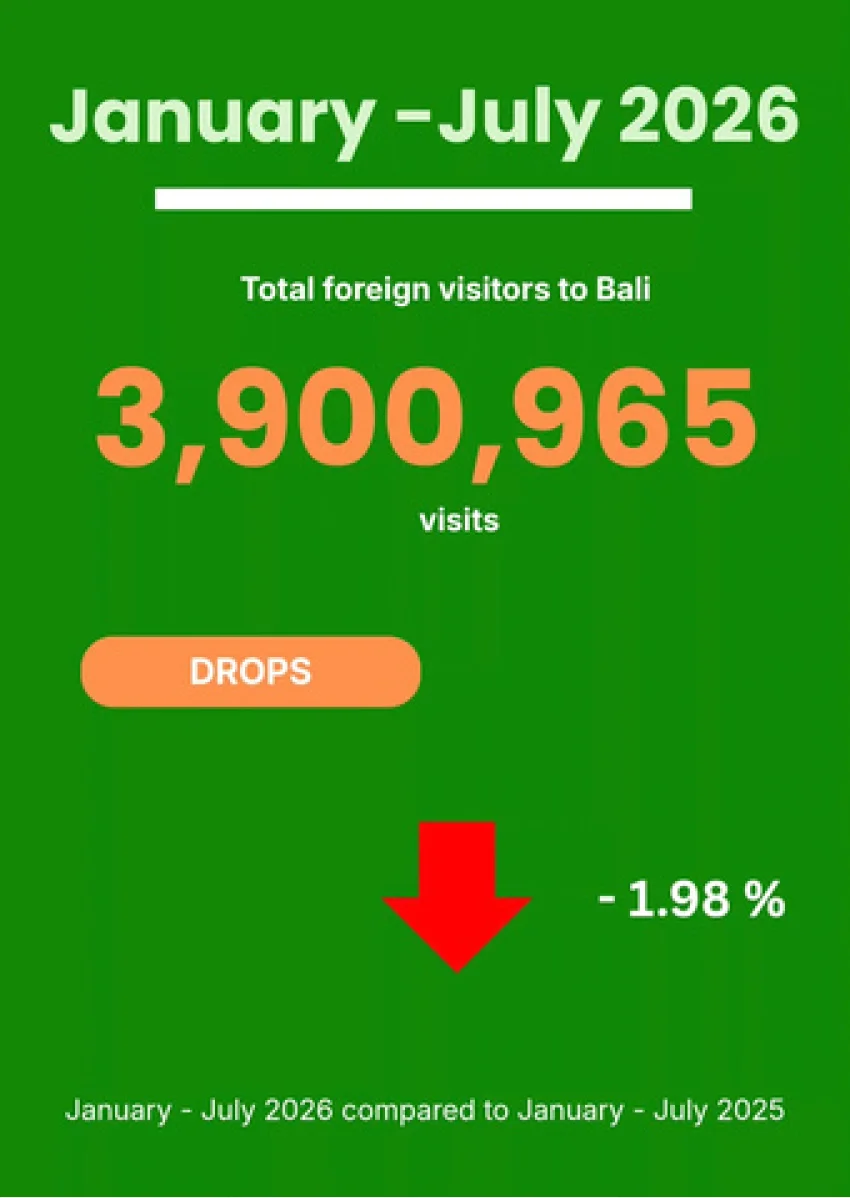
Source: BPS Bali
SIGNING UP INVITATIONS
SIGNING UP INVITATIONS TO OUR INDUSTRY COLLEAGUES
The People Behind Every Plate
Behind every plate in Bali theres a farmer who got up before dawn, a supplier who delivered on time, a line cook who has done it 400 times and still cares about the 401st.
The Bali Restaurant & Café Association (BRCA) is built for those people. Our members are the founders, chefs, and operators who run the island’s kitchens and dining rooms, and who would rather fix a problem together than complain about it alone.
What membership gives you: a working network of peers, direct access to local producers, and shared operational knowledge you won’t find in a textbook.
What sponsorship gives you: a place inside the conversation, not just on a banner. We work with brands who want to invest in a stronger, more resilient F&B ecosystem, and we shape partnerships around that goal.
If that sounds like you, let’s talk.
Naomi | manager@balirca.id
Closing BRCA & You!
BRCA started around a simple idea: Balis food community is stronger when we sit at one table. Owners, chefs and practitioners share what they know, support each other, and grow together, not only as businesses but as people who love this island. Every luncheon, conversation and shared lesson adds to that, and it is the community that makes BRCA what it is.
Now we are looking for a few more people to help guide it. Our board brings decades of hands-on F&B experience, and we are opening a few leadership seats for operators and founders who care about where Bali’s dining culture goes next.
You dont need to have it all figured out, just the passion, the time to show up, and the wish to give back to the industry. If thatsounds like you, get in touch with us directly.
Founders
Dean Keddell – Ginger Moon Restaurants & Author of Our Bali Your Bali – Bali Kita Bali Kamu
Chris Salans – Mozaic
Anthony Syrowatka – Viceroy Hotel, Aperitif, Blossom + others & Gaia Digital Marketing Agency
Board
Weni Ariasty – Manager NOW! Bali & the BRCA treasurer
Ana Dewi – Mövenpick Resort & Spa Jimbaran Bali – HACCP
Peter Dundas – Advisor
Maria Efflin – Secretary/Administrator, BRCA
Naomi Tribuana Festilani – Business and Community Manager BRCA
Rahmi Fajar Harini – Eco Tourism Bali & Sustainability Advisor
Kertawidyawati (Widya) – BRCA President
Maudy Maha – Marketing Advisor
Jeroen Van Overbeek – Social Impakt, Bali Coop & BRCA Vice President
Min Siah – Wheatfields Bakery, Starter Lab – Advisor
Heru Dwi Soesilo – 2080 Burger & an events, branding & marketing guru
Thank you for reading this newsletter. Sampai Jumpa!
Welcome New Members to BRCA!
With culinary regards,
Naomi Tribuana Festilani
Business & Community Manager BRCA
On Behalf of BRCA Founders & Board